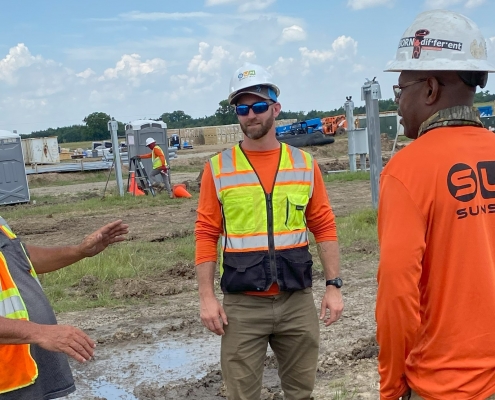
For Helge Biernath, president and CEO of Sunstall, jobsite efficiency is worthless without supply chain efficiency.
“Too many EPCs are just looking at price and they forget that time is money,” he tells us. “I’ve had conversations asking if I could reduce the price, but how can we do that when overall costs are going up? How about instead we cut down on the installation time from three weeks a MW to two weeks a MW? That will mean something — so we can move on to the next project.”
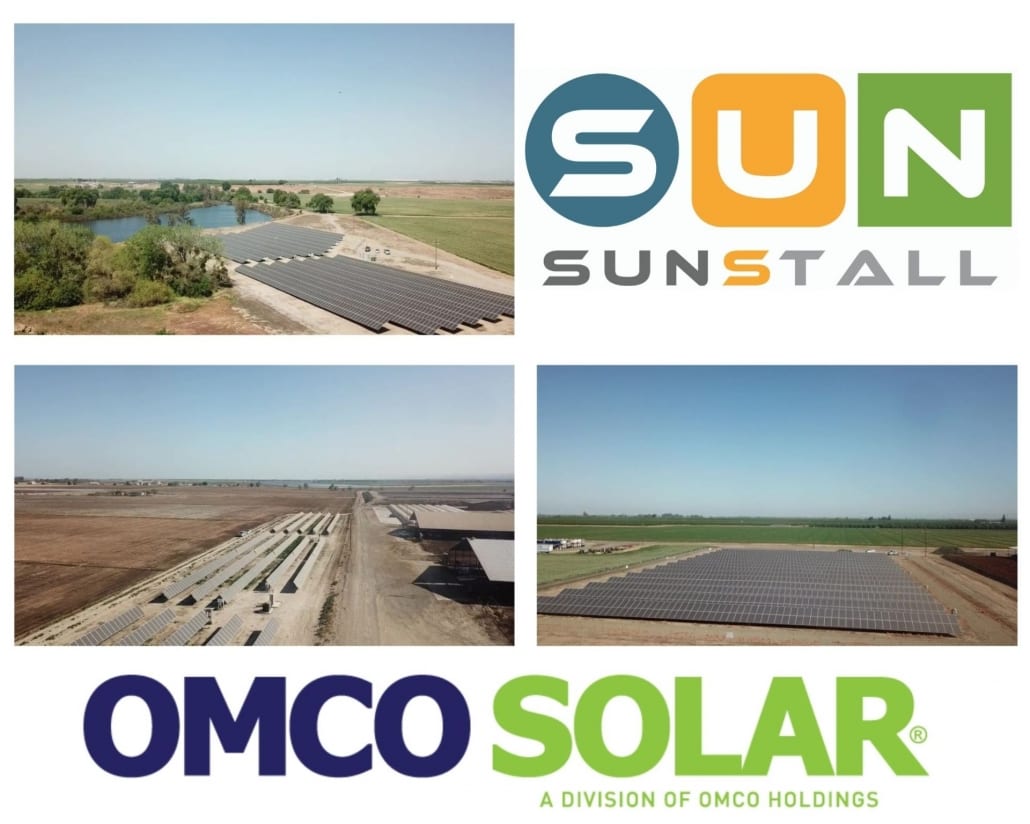
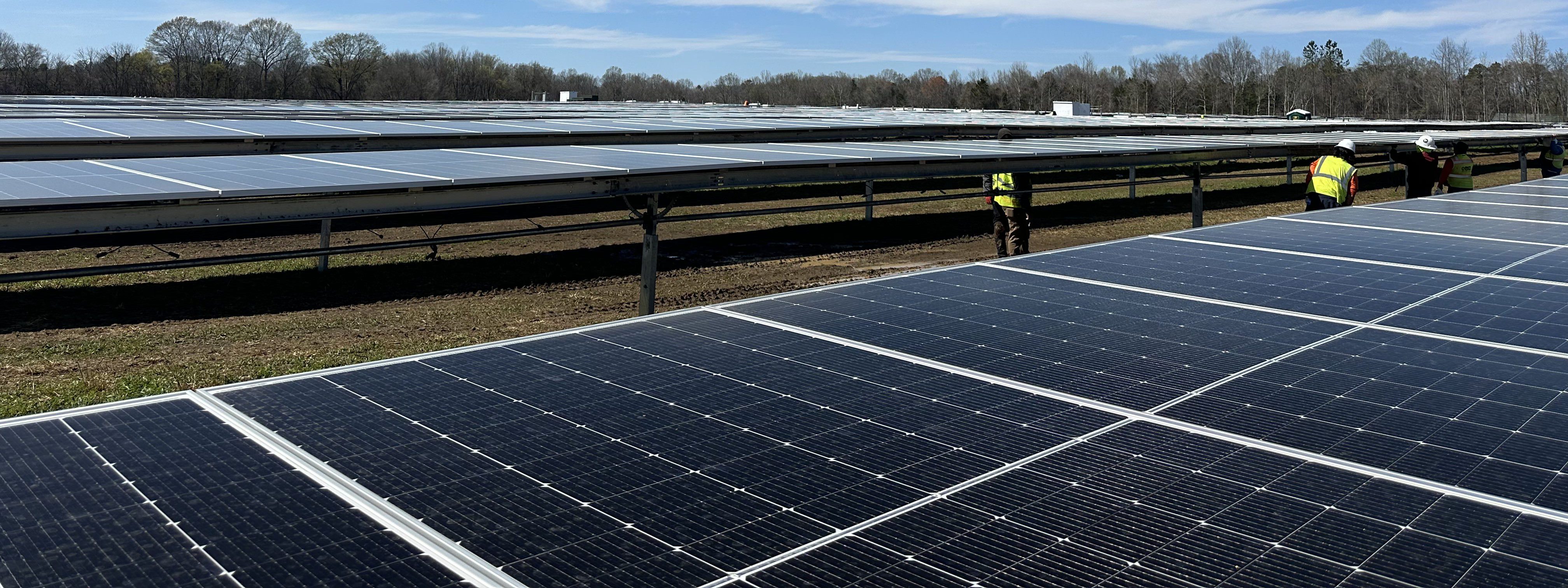
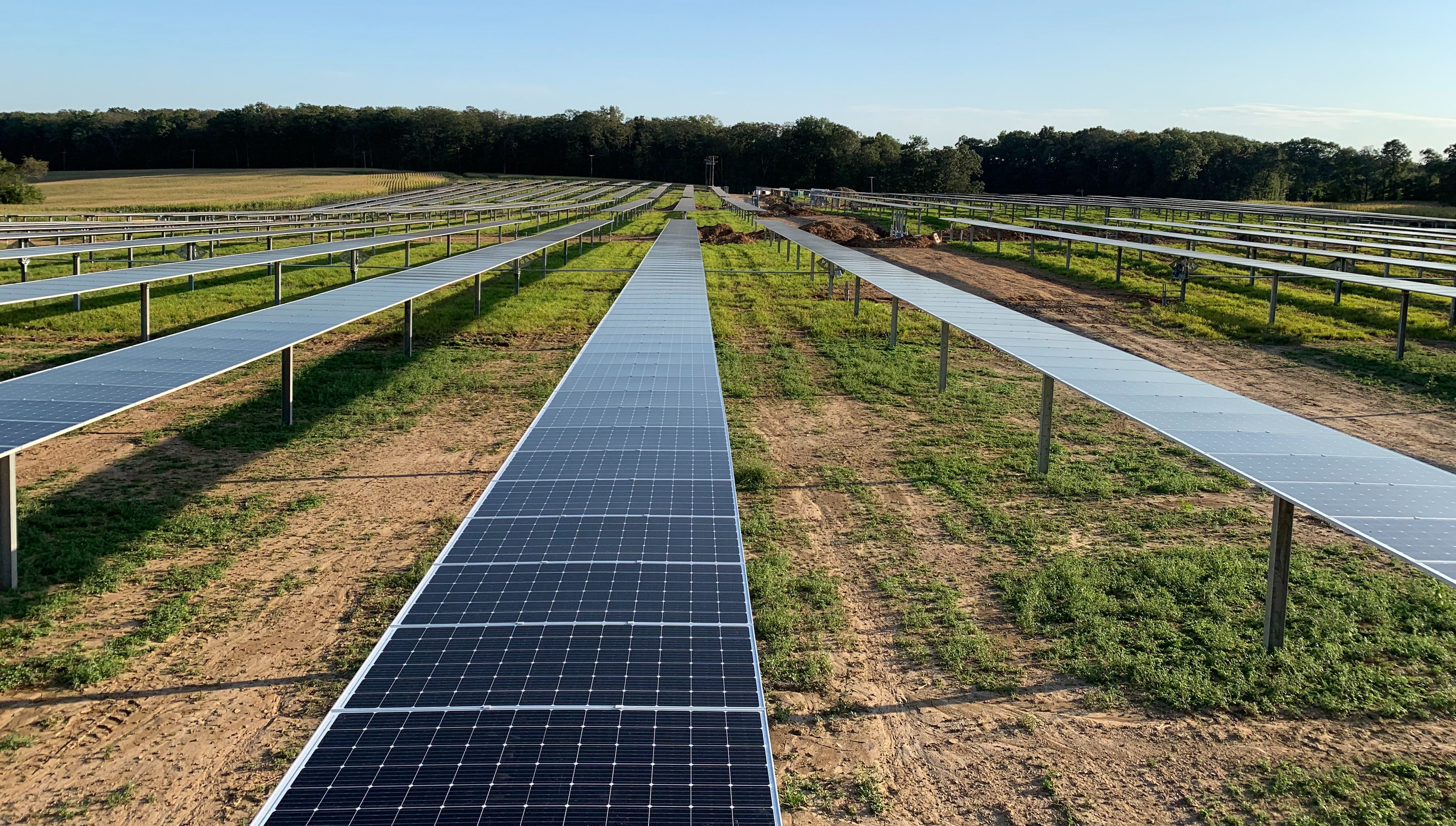
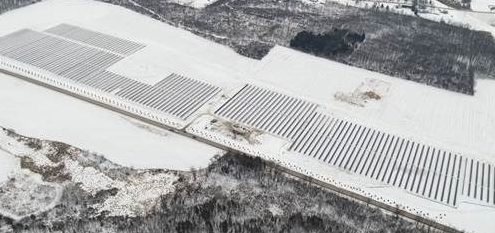
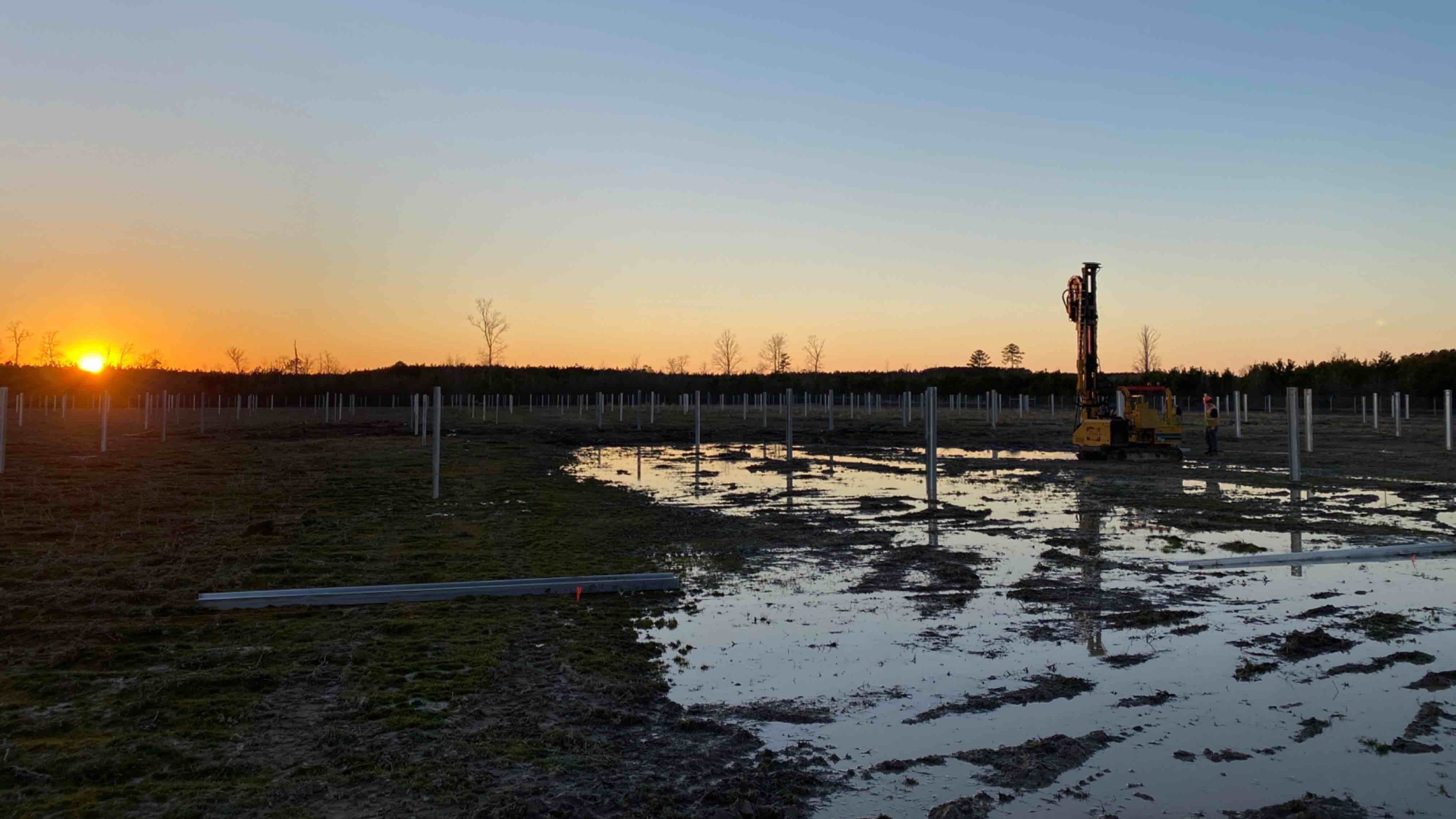
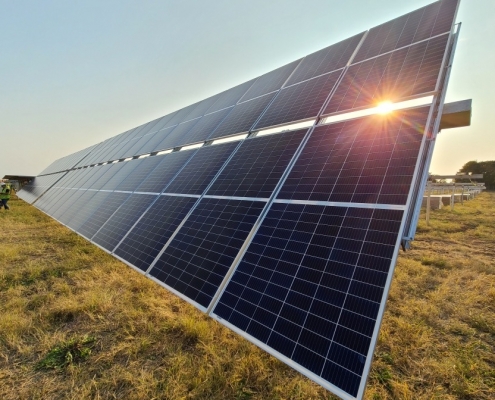
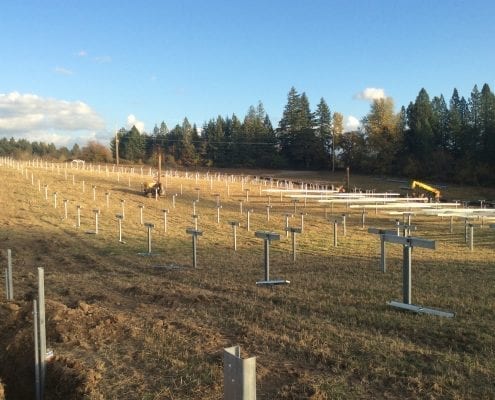
After multiple project completions, and many more on the way, we know how the #powerofpartnerships can expedite projects and build a strong team. The first project was a 1.5 MW solar project, and was a huge success for both companies and the end-customer. OMCO Solar and Sunstall Inc. have installed over 30 MW of clean solar energy together, spanning 25 project sites that ranged from dairy farms to food and beverage facilities to retail power entities. Thank you to Helge Biernath, CEO of Sunstall Inc. for this winning partnership! #OMCOSolar#SolarPower#PowerofPartnerships#Shoutout#Cleanenergy
https://sunstall.com/wp-content/uploads/2026/09/Logo-Sunstall-rev1-transparent-1.png00HBhttps://sunstall.com/wp-content/uploads/2026/09/Logo-Sunstall-rev1-transparent-1.pngHB2021-04-29 19:03:082021-04-29 19:03:08Shoutout from Omco Solar
We are very proud to have achieved another milestone – being a SOLTEACH PRO.
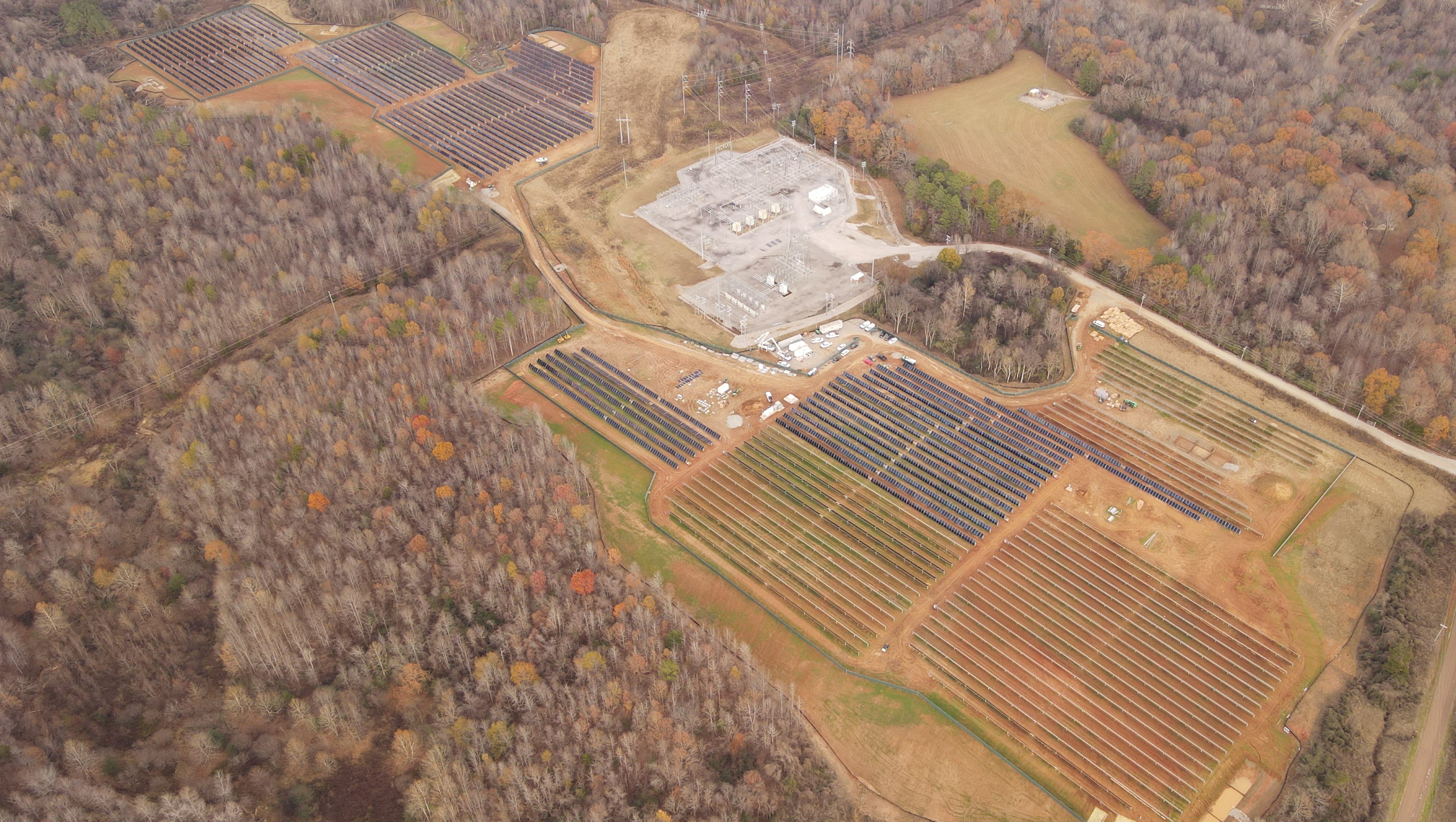
Solteach Pro is the comprehensive factory-certification PV plant design and installation training program of Soltec’s SF7 Single-Axis Tracker application. This professional program is aimed at solar industry companies and workers specializing in solar tracker design and installation in PV on a utility scale.
Sunstall, Inc. has officially become the first successful trainee of Array Technologies’ Certified Installer Network. Based in Novato, California, Sunstall brings industry leading installation services and project management expertise to their partnership with Array Technologies, Inc. (ATI). For projects within Sunstall’s Certified Installer scope they will also provide Operations and Maintenance services.
Array Technologies offers turnkey services for commercial and utility-scale solar projects utilizing DuraTrack™ HZ and DuraRack™ products through its Certified Installer Network. All Certified Installers will have successfully passed a training course on installation, commissioning and O&M best practices of the aforementioned products.
“We are now pleased to offer our customers superior tracking and racking systems alongside Sunstall’s outstanding installation services,” explained ATI Founder & CEO, Ron Corio. “This partnership will allow our customers to receive expert turnkey services at the lowest installed cost.”
“Together with our partner ATI we’re happy to provide the highest level of customer service for their industry leading products. Our partnership will ensure optimal performance and high yield over the entire lifecycle of ourcustomers’ solar plant investments.” said Heiko W. Schramm, VP at Sunstall Inc.
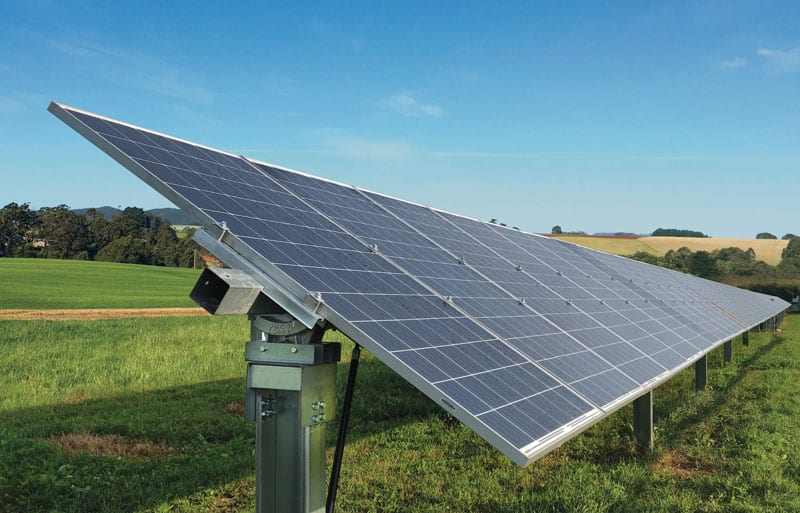
The many different types of mounts for solar arrays, be it fixed-, single-, or dual-axis trackers, can lead to considerable confusion when trying to decide how to mount your solar panels. However, there are several advantages and disadvantages to each type of mounting system depending on a variety of variables including climate, latitude, landscape, budget, and size of the solar array that you are hoping to build.
Fixed-axis systems are the most mechanically simple, and least expensive mounts for solar panels. They can be used on the roof or on the ground, and because of their mechanical simplicity, tend to have a longer lifespan than trackers. These mounts are also beneficial in less sunny climates, where extra expense of a solar tracker may not be worth the small increase in electrical output.
If you decide that you want a solar tracker, there are many options that you can choose from. Firstly, there are thermal (passive) and electrical (active) trackers. Thermal trackers use the heat from the sun, which heats a liquid inside of the solar panel, to rotate. These are beneficial because they have fewer mechanical parts, and are therefore less prone to failure. They are also less expensive. However they can be slow to react to solar motion. In addition, they can be imprecise in the winter because they rely on heat to rotate. Finally, there are electrical trackers, which are the most popular. They are very precise even in the winter, and can increase electrical output from 20-40% from fixed-axis mounts. However, they require a fair amount of maintenance and are more expensive than fixed-mount and thermal trackers.
https://sunstall.com/wp-content/uploads/2011/07/img_2379.jpg338450HBhttps://sunstall.com/wp-content/uploads/2026/09/Logo-Sunstall-rev1-transparent-1.pngHB2011-07-29 19:10:272017-01-26 19:22:40Which Solar Ground-Mount Should You Use?
We use cookies to ensure that we give you the best experience on our website. If you continue to use this site we will assume that you are happy with it.



#OMCOSolar #SolarPower #PowerofPartnerships #Shoutout #Cleanenergy