
UC Davis Expands Agrivoltaics Research, Includes New Sunzaun Vertical Bifacial System
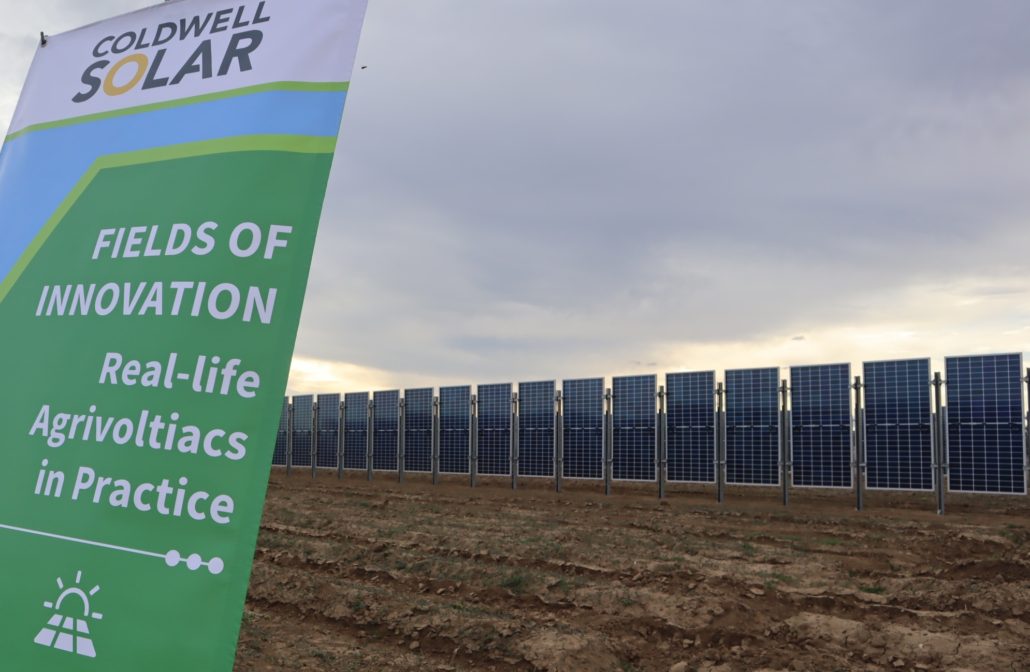
Photo Credit, Maximilian Dedden
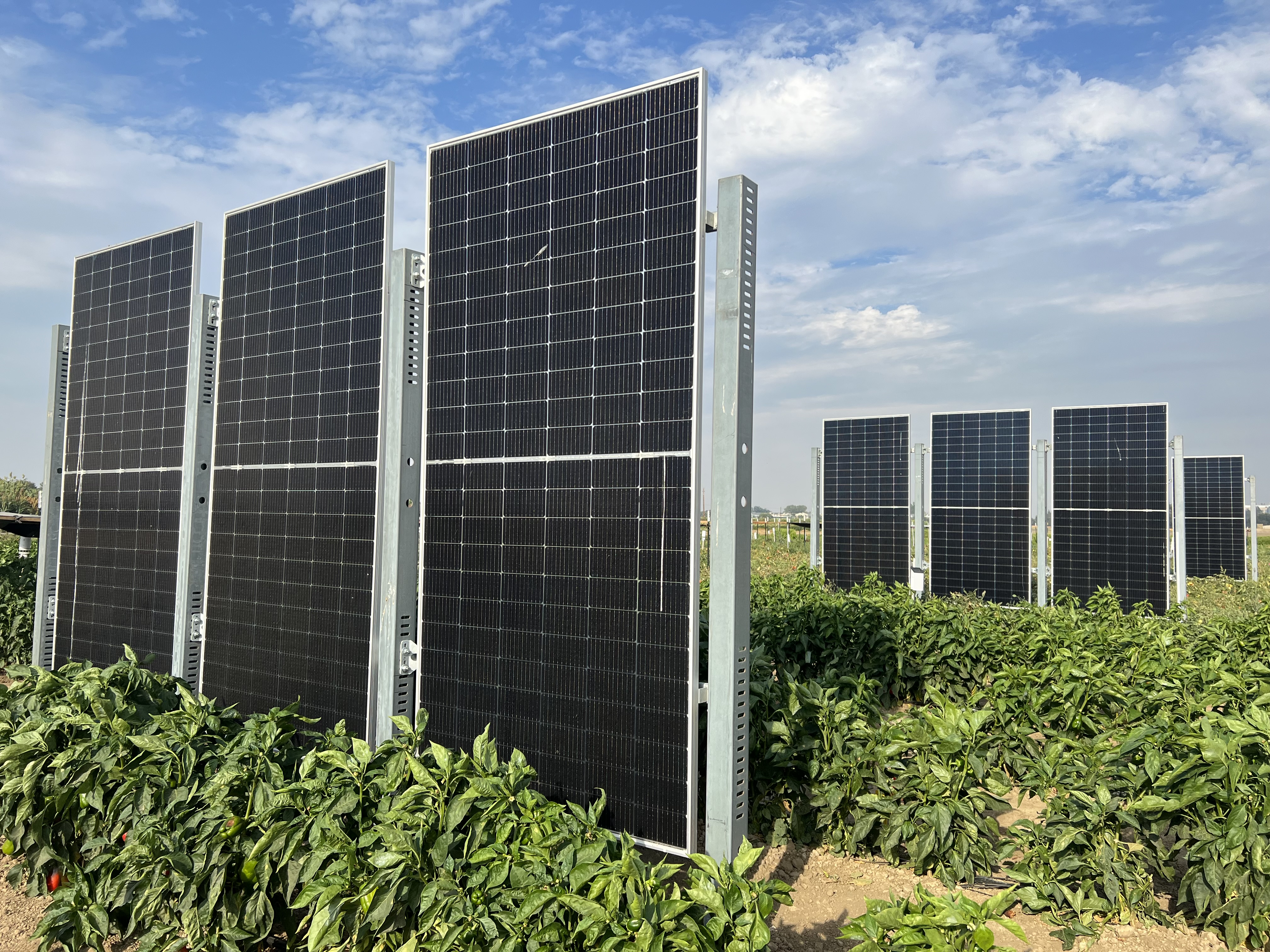
Back in 2023, University of California (UC) Davis had a small set of Sunzaun vertical bifacial racking installed – three rows of three modules – to support early agrivoltaics research. Sunstall donated so the university could begin exploring how vertical solar might work alongside crops in California farmland.
Two years later, and after immense collaboration, the research site looks quite different.
A New Research Installation
In late October 2025, several solar companies came together to complete a new, and significantly larger system on one of the campus’s agricultural fields, just across from the original test site. Its completion came just in time for the 3rd Annual California Germany Agrivoltaics Day at UC Davis, organized by German American Chamber of Commerce, where researchers, farmers, and industry professionals gathered to discuss the progress and potential of agrivoltaics in California, drawing on Germany’s extensive experience in the field.The newly expanded project offered visitors the opportunity to walk through the site, examine the equipment up close, and speak directly with the experts who are building and studying these systems.
The photovoltaic acquisition process was led by Professor Majdi Abou Najm from the Department of Land, Air and Water Resources at UC Davis. He is one of California’s leading figures in agrivoltaics research.
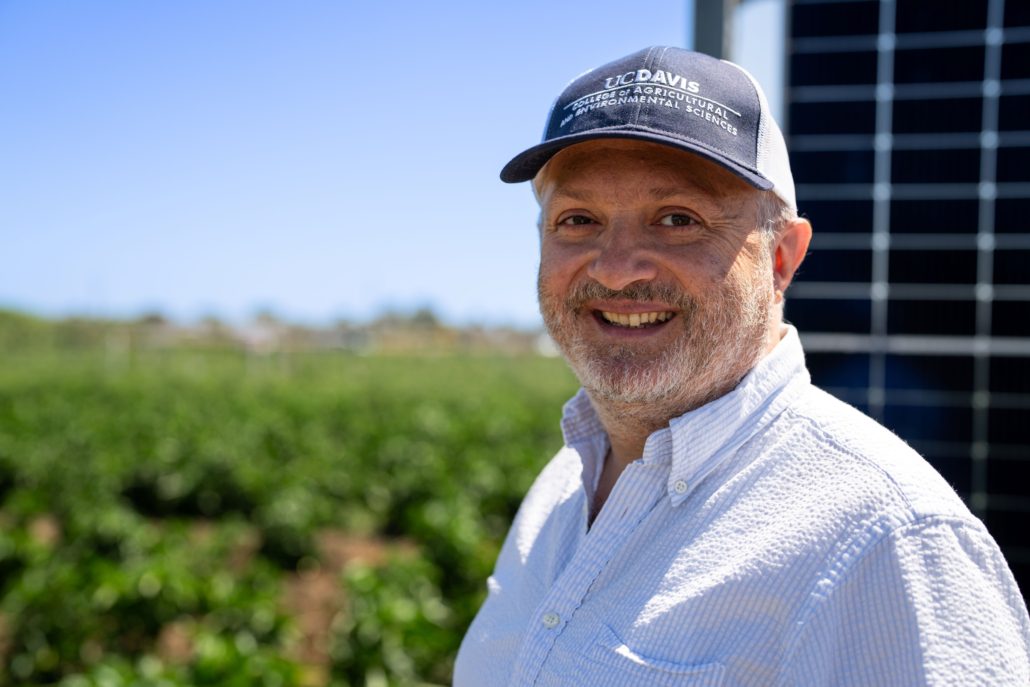
Professor Majdi Abou Najm standing in front of the old Sunzaun installation, surrounded by peppers and basil test crops.
A Four-System Agrivoltaics Testing Ground
The new research site is unique in its variety. Instead of a single system, the field now hosts four different ground-mounted PV designs, each with its own racking and module configuration. Together they form a side-by-side comparison that allows researchers to look closely at energy production, crop response, and equipment access.
The full site contains 448 modules totaling 200.44 kW.
From north to south, the systems include:
1. Sunzaun Vertical Bifacial System
Panels mounted vertically, producing from both east and west. This design offers even shading, easy equipment access, and strong potential for crop compatibility.
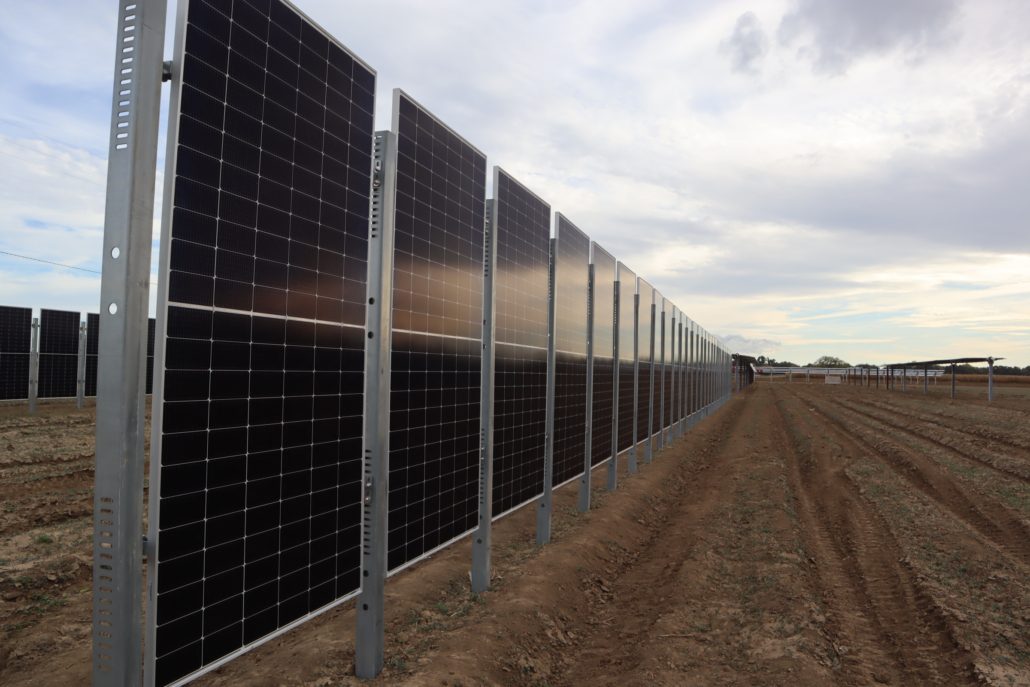
Photo Credit, Maximilian Dedden
2. Two Single-Axis Trackers
Two commercial tracker designs—Nextracker and Nevados—installed next to each other to compare performance and crop impacts. Trackers typically deliver the highest energy yield, and the side-by-side setup gives researchers a rare opportunity to study their differences.
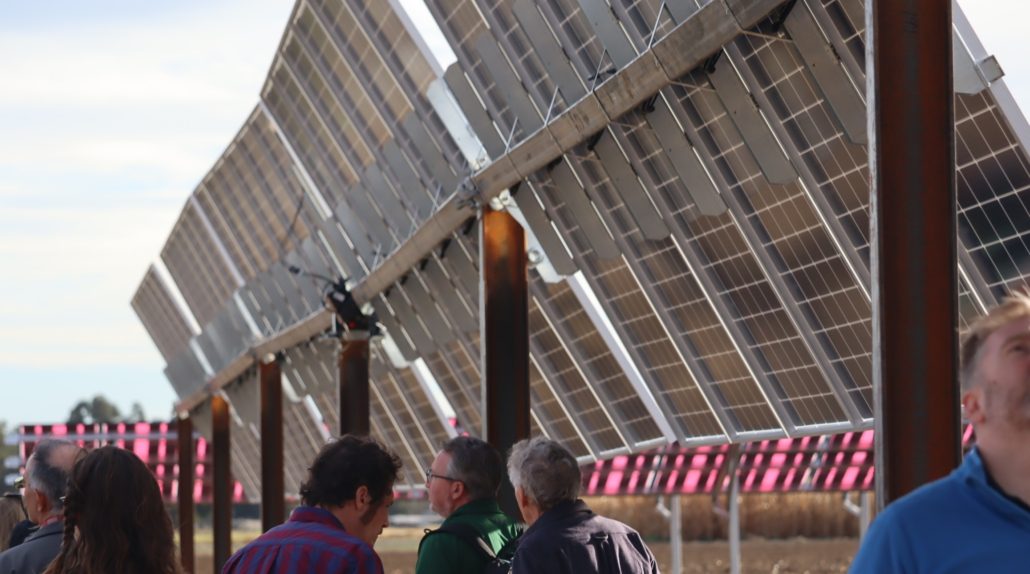
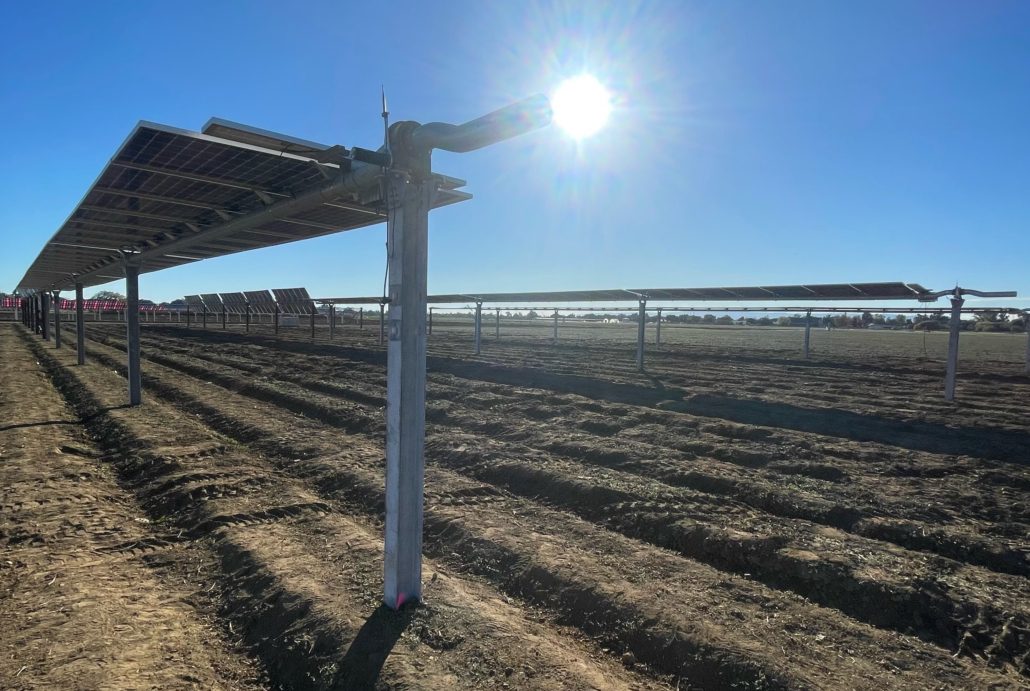
Photo Credit, Maximilian Dedden
3. OMCO Fixed-Tilt With Red Modules
A fixed-tilt system fitted with red-tinted solar panels. These modules filter light in a way that can support plant growth while still generating electricity. The goal is to understand how different light spectra influence crops beneath the array.
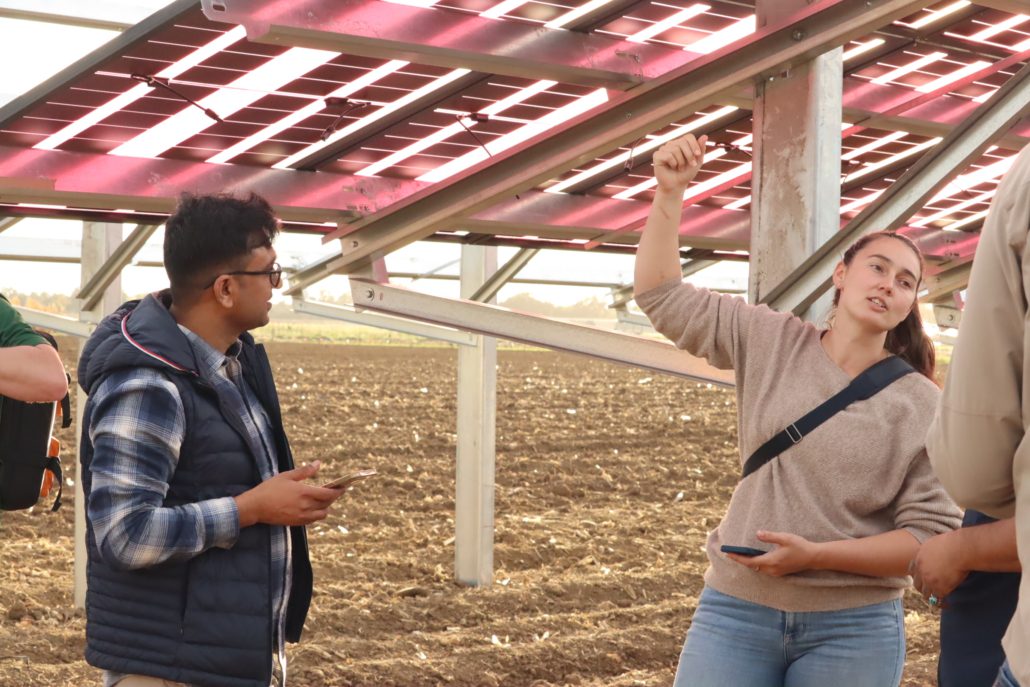 Photo Credit, Maximilian Dedden
Designed for Real-World Farm Conditions
Although it’s a research site, the layout was designed with everyday farming needs in mind. The rows are spaced roughly 50 feet apart so large harvesters and other farm equipment can move through the field without trouble.
Over the coming seasons, researchers will plant tomatoes and other crops within the photovoltaic rows to study:
- How crops respond to different light conditions
- Soil moisture patterns and water retention
- Temperature and airflow beneath each design
- How well each system accommodates farm operations
Installed by Sunstall, Inc.
All four systems were installed by Sunstall Inc., the parent company of Sunzaun and is quickly becoming one of the leading agrivoltaics installation teams in the country. The project highlights Sunstall’s ongoing commitment to supporting universities and research organizations as agrivoltaics shifts from an emerging idea to a tested, practical approach to farming and energy production.
Agrivoltaics has the potential to make food production more resilient while reducing emissions from the electricity sector. Sunzaun is grateful to contribute to this work and looks forward to the research results that will come from UC Davis’s expanded testing ground.
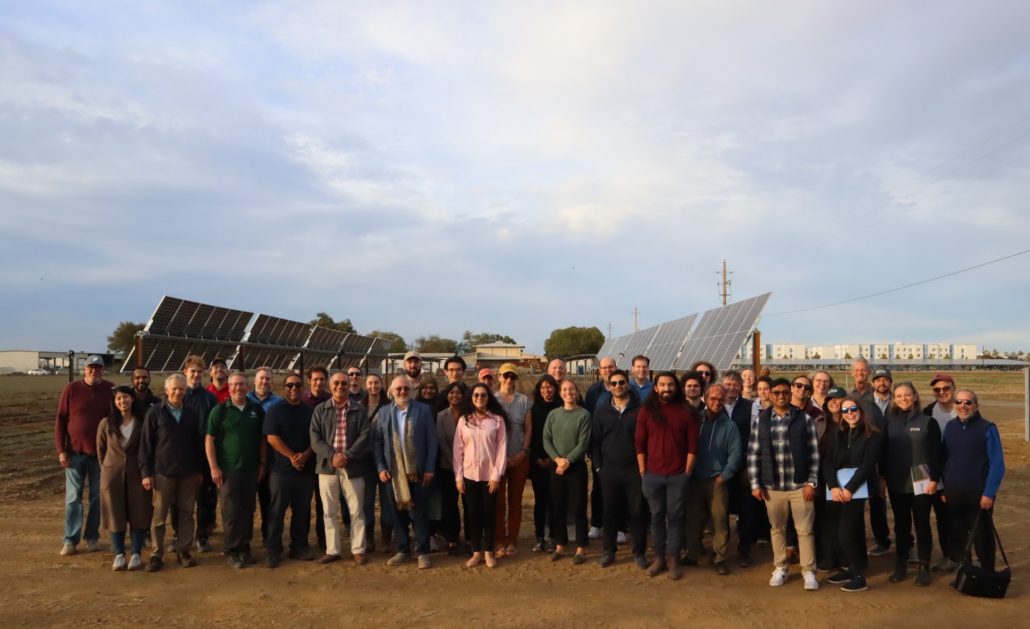
Group photo from the UC Davis Agrivoltaics Day Tour. Photo Credit, Maximilian Dedden
If you’d like to follow updates on vertical solar and agrivoltaics research, please consider joining our Newsletter!
 sunstall inc
Leave a Reply
Want to join the discussion?Feel free to contribute!