
The Sunstall Way in Action: My Two Weeks On-Site
The Sunstall Way in Action: My Two Weeks On-Site
☀️ The Sunstall Way
One thing that sets Sunstall apart is its approach to training.
Most companies onboard you with a few Zoom calls, a handbook, and maybe a slide deck from a past project. As a new Assistant Project Manager(APM) at Sunstall, I wasn’t sure what to expect. Most APMs in office-based roles don’t typically head straight to the field. But Sunstall does something different. They bring you to the heart of the work.
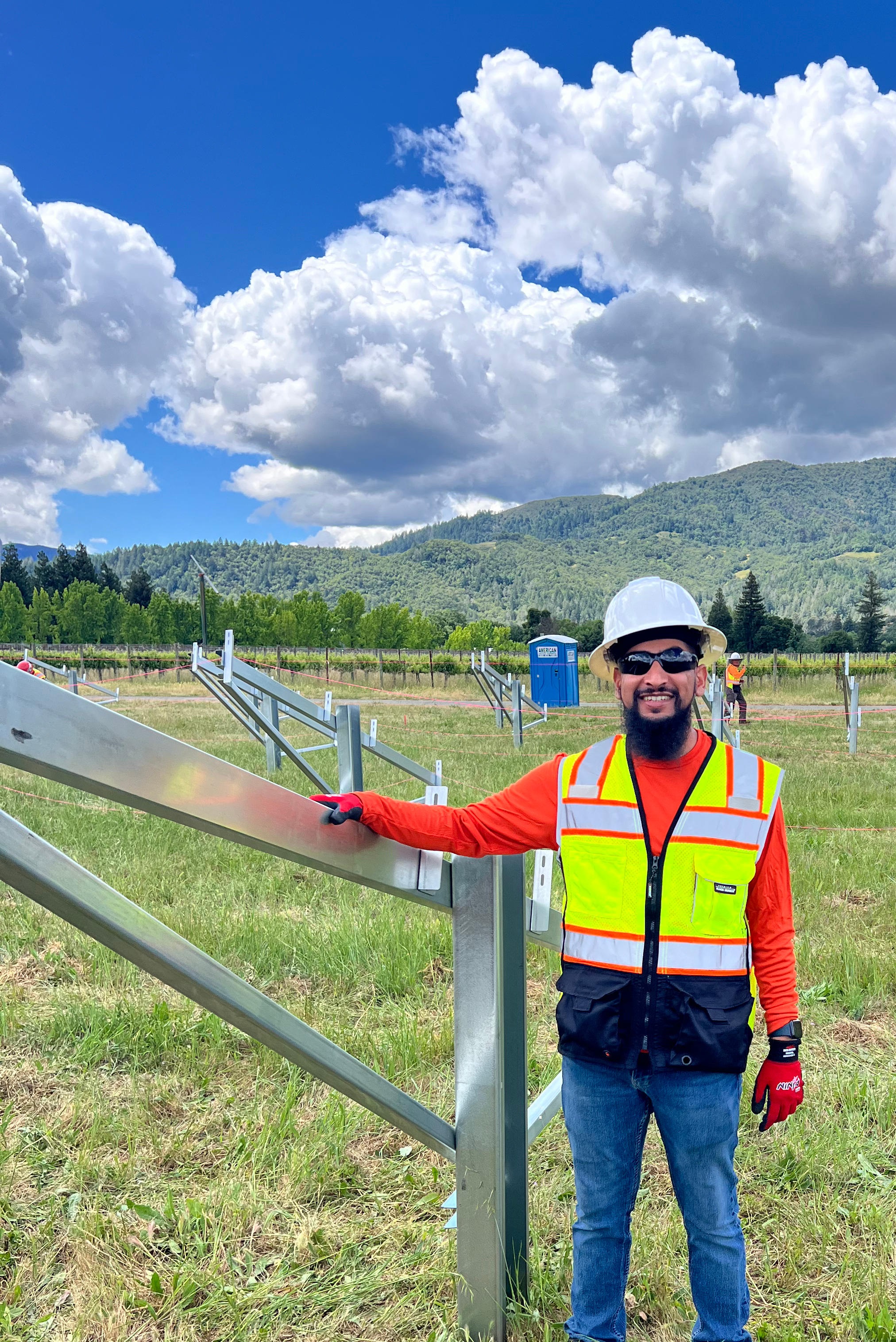
Whether you’re in project management, HR, or planning, you step onto a real job site. You walk the rows. You touch the bolts. You see what it actually takes to build solar from the ground up.
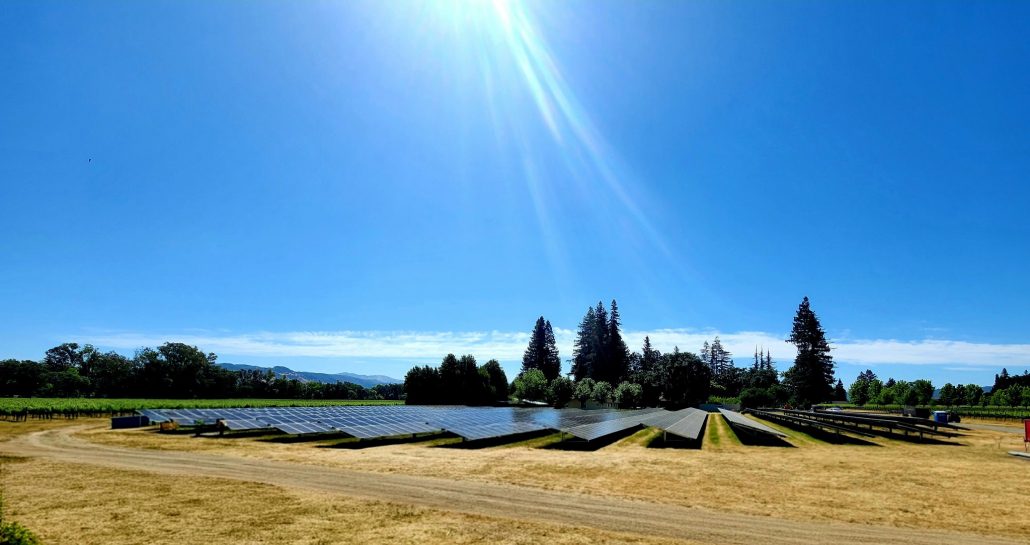
There’s no substitute for that. No PowerPoint or training module can teach you what it feels like to watch a 1 MW array rise from string lines and piles to a fully built system. Once you’ve seen it up close, you approach everything differently.
🥾 Day One: Boots on the Ground
First day on site, and I’m surrounded by OMCO equipment I’ve only seen on spec sheets.
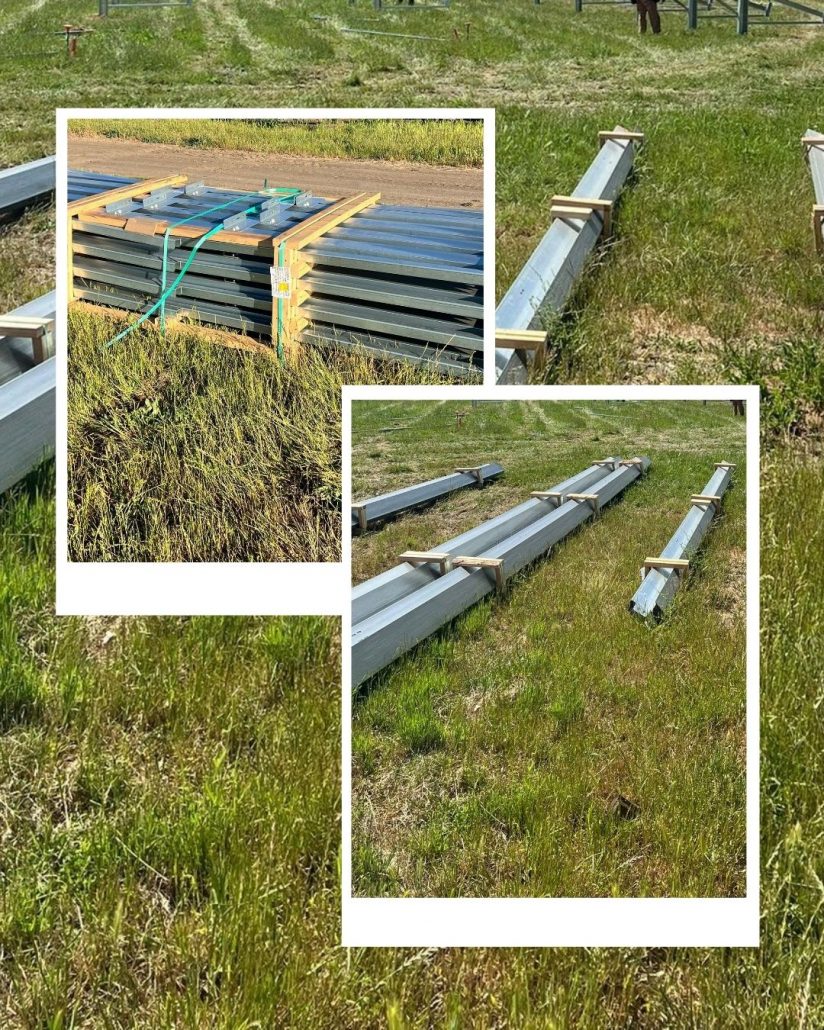
As the sun rises, I watch the crew move with quiet focus. Before a single pile is driven, the site gets a full sweep. One by one, everything is checked. The RAM is in place. The piles, tilt brackets, and bundles of purlins are stacked neatly and ready to go. The pile driver and operator are standing by. The tool trailer is stocked. The porta potty and dumpster are right where they need to be. Even the reach lift gets a walkaround. Nothing is assumed. Everything is verified.
There’s a calm before the build, but it’s not idle. It’s intentional. I quickly realize this part matters just as much as the install itself. When the people, equipment, and materials are all in place, the rest of the day flows.
📏 Laying the Groundwork
Solar construction begins with something surprisingly simple. Measuring tapes, flags, feathers, and string lines.
The surveyors mark the first and last pile of each row, and the crew uses these markers to measure and confirm distances across hundreds of feet. Everything has to match the plan. A few inches off at the start can throw off an entire row.
🔩 Piles, Brackets, and Brains
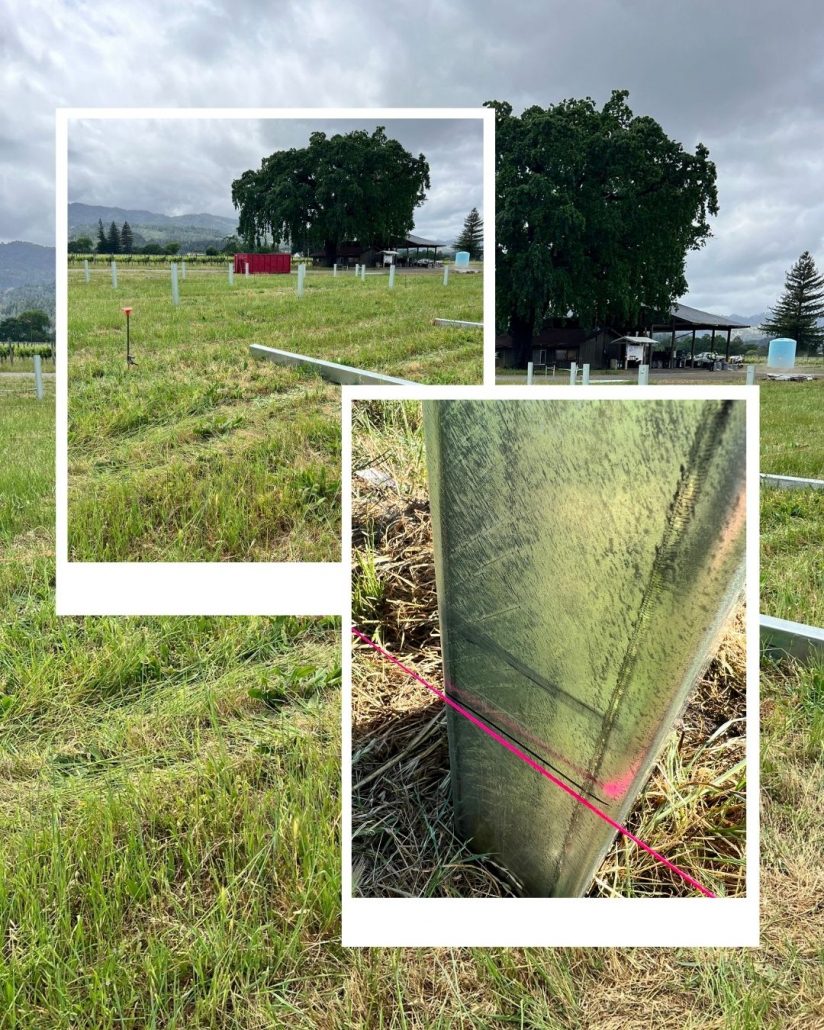
Driving steel piles looks intense, but there is a method behind every move. Each pile is marked based on embedment depth, aligned to a string line, and double-checked before being driven.
At one point, the crew ran into an issue. Some edge piles were longer than the RAM could handle at its default height. However, the crew was well-prepared with a solution. They attached an extension, lifted the RAM head higher, and kept going. Fast thinking, smooth execution.
🛠️ Brackets
Watching the crew install tilt brackets was like seeing muscle meet precision.
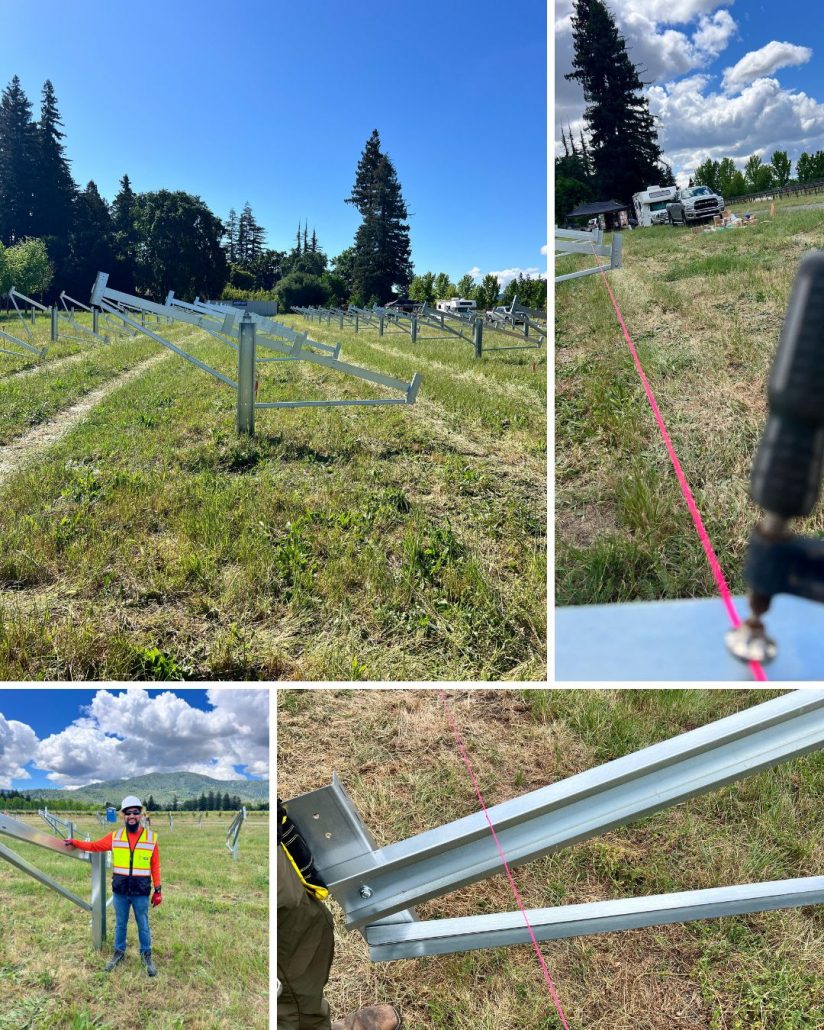
Brackets were bolted loosely, then aligned using string lines and digital levels. Once the tilt angle was confirmed, bolts were torqued down and marked.
📐 Purlins, Bracing, and Precision
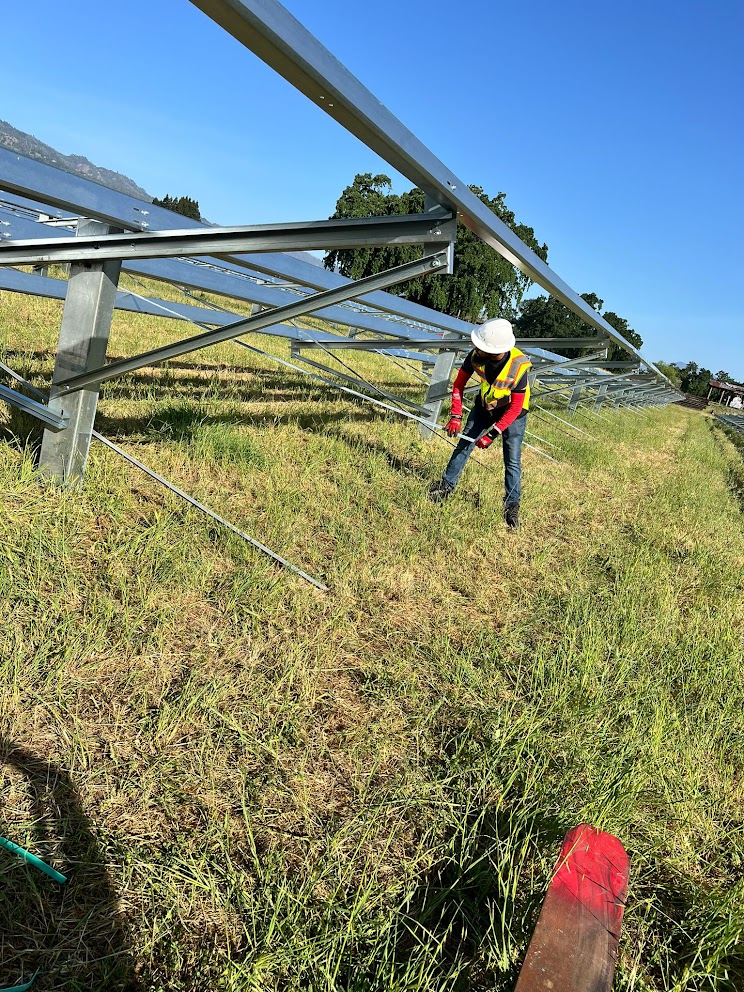
Next came the purlins, the long rails that support the solar panels. Crews placed them across the tilt brackets, squared each connection using rulers and string lines, and then tightened everything into place.
This was where I started noticing just how fast the crew moved, without ever compromising on alignment or accuracy. It was the kind of momentum that comes from doing something hundreds of times, but still caring about every single bolt.
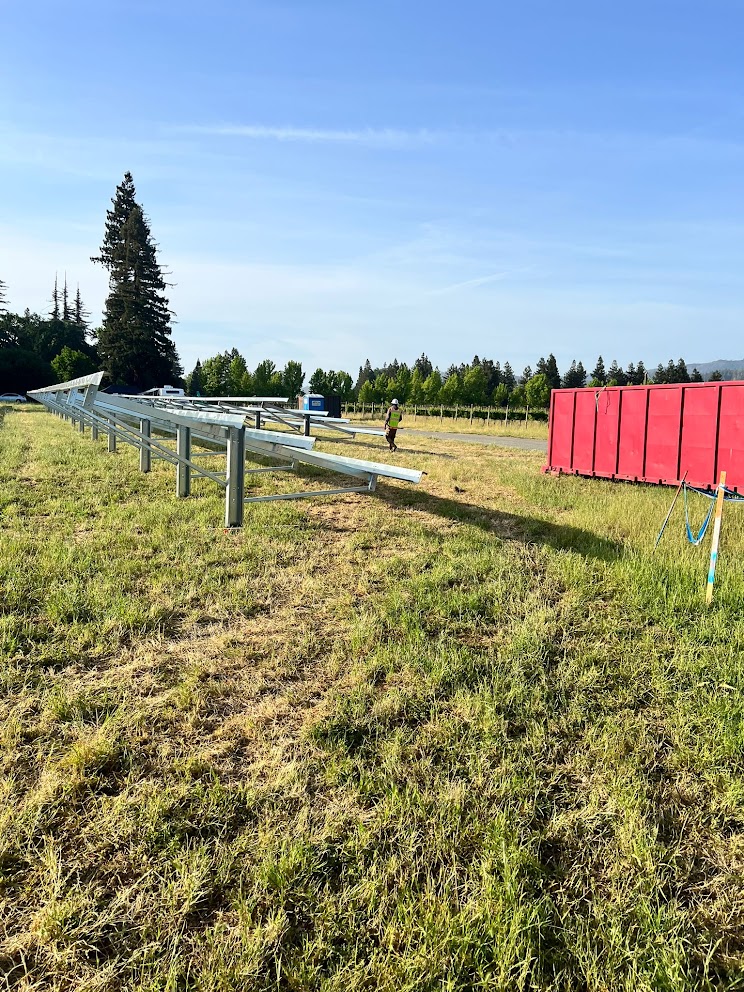
Bracing followed a specific pattern based on the number of modules per table. Each brace played a role in the structural stability of the system. It was all laid out in the plans and executed with exactness. No guesswork, just skilled work.
⚡ Lifting Sunshine: Module Install
The panels arrived and the install process shifted into a new gear.
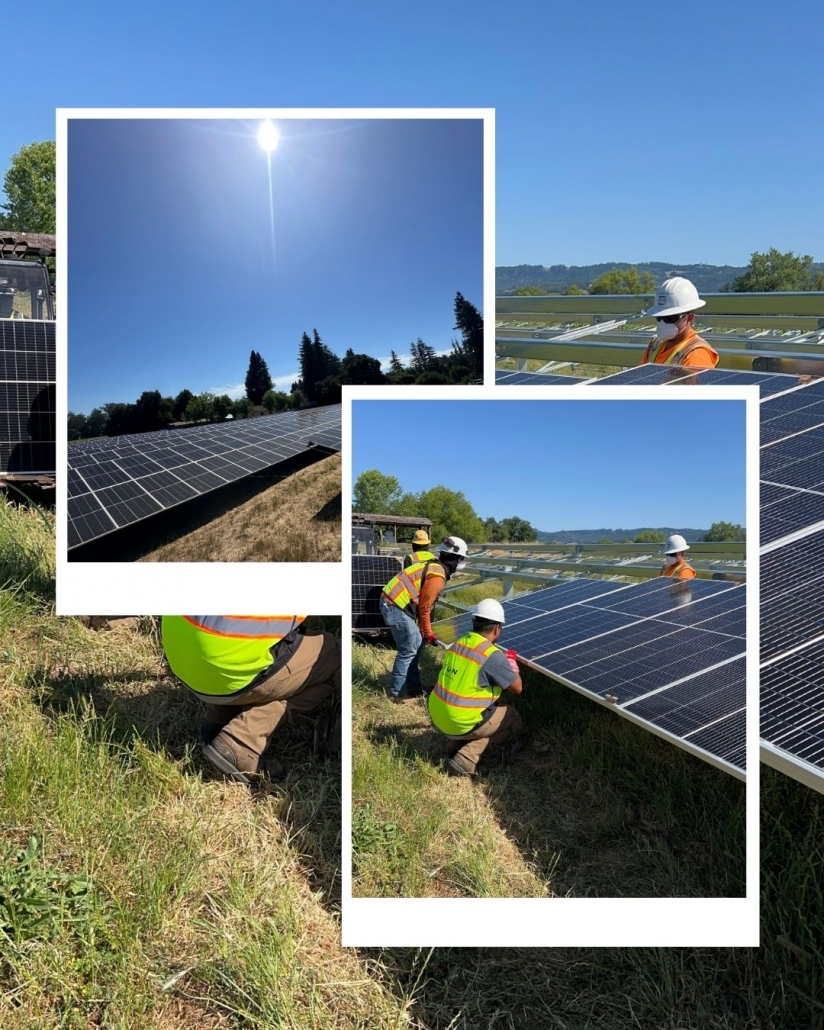
With reach lifts delivering pallets between rows, offloaders handed modules to the crew. One person inside the racking would place and bolt the top corners. Another followed to install star washers and nuts. A third person underneath fastened the bottom bolts.
This was true teamwork. Lift, place, bolt, mark, move. Then repeat. The rows began to transform into something recognizable. This was the moment it really started to look like a solar array.
👑 Quality Control is King
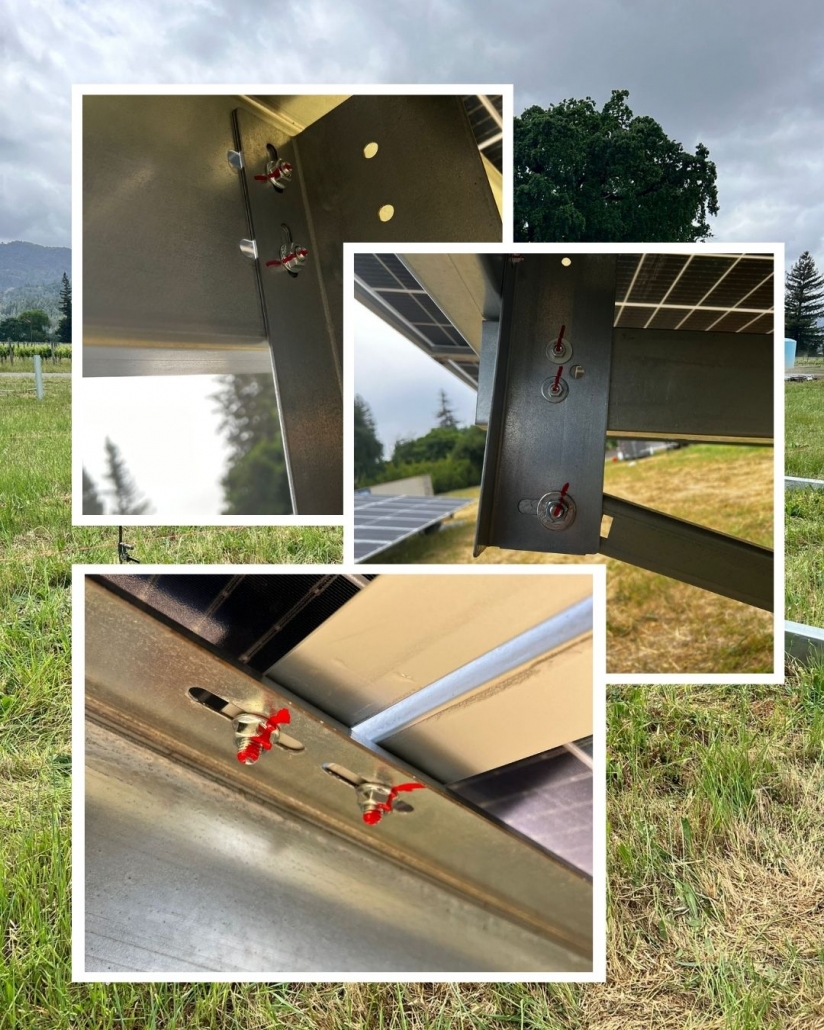
Red marker lines began to appear everywhere. They ran across bolt heads, washers, and brackets. These lines were not decorative. They confirmed that torque was applied, alignment was verified, and every connection was secure.
Quality control happened step by step. Not at the end, but throughout the build. It was constant, intentional, and visible. The attention to detail was something I will never forget.
💡 What I Took Away
In just a few days, I gained insight that would have taken months to learn from behind a desk.
I saw the planning, the communication, the craftsmanship. I understood the logic behind layout, the reason for string lines, and the importance of squaring. Most of all, I saw how the field team moves with purpose, clarity, and confidence.
It gave me perspective. It gave me respect. And it completely reshaped how I think about project timelines, coordination, and execution.
📝 Final Thoughts
I am incredibly grateful to the Sunstall team, Helge, and my manager Chris for giving me this opportunity.
Getting to see a solar project built from the ground up is something I will carry with me into every future project. This wasn’t just onboarding. This was learning at full scale.
What’s one thing you wish more people understood about building solar in real life?
#solar #cleanenergy #fieldexperience #projectmanagement #renewables #sunstall #solarpv #careerdevelopment
By Qusai Bhaijeewala (Assistant Project Manager)



Leave a Reply
Want to join the discussion?Feel free to contribute!