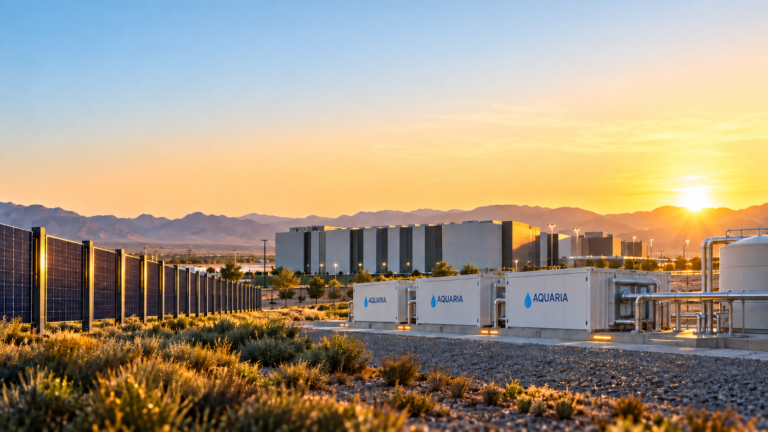


The conversation around electrification usually centers on generation — how much power we can produce, and how fast the grid can carry it. But a recent industry piece on electrical infrastructure inside data centers and manufacturing facilities made a different point: the systems inside a building matter just as much as the power feeding it, and those systems are being asked to evolve faster than the expertise and standards that support them.
Swap “data center” for “solar site” and the argument holds almost without edits. Read more
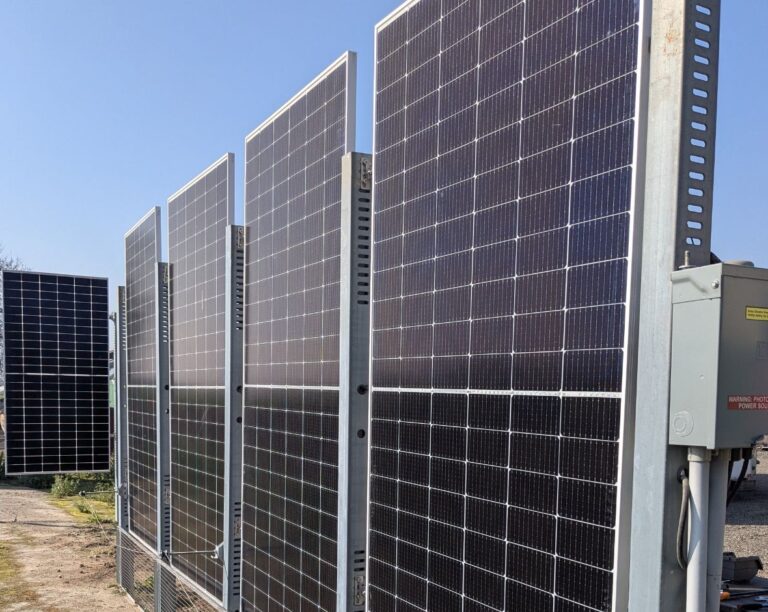
Annual energy production has long been the primary metric used to compare photovoltaic (PV) configurations. In general, configurations that produce more kilowatt-hours are assumed to perform better. However, electricity is not worth the same amount throughout the day.
Many utilities now use Time-of-Use (TOU) rate structures, where the value of electricity varies by time of day. Under these tariffs, electricity generated during periods of high demand, which is typically in the late afternoon and evening, has a higher economic value than electricity generated during lower-priced periods.
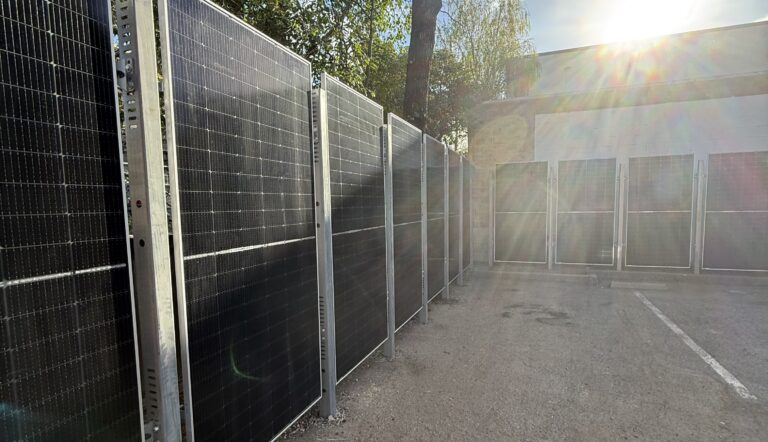
How Bodhi Hot Yoga & Fitness in San Rafael, California became the first business in the United States to install a vertical bifacial solar system in an urban environment — and why they’d do it all over again.
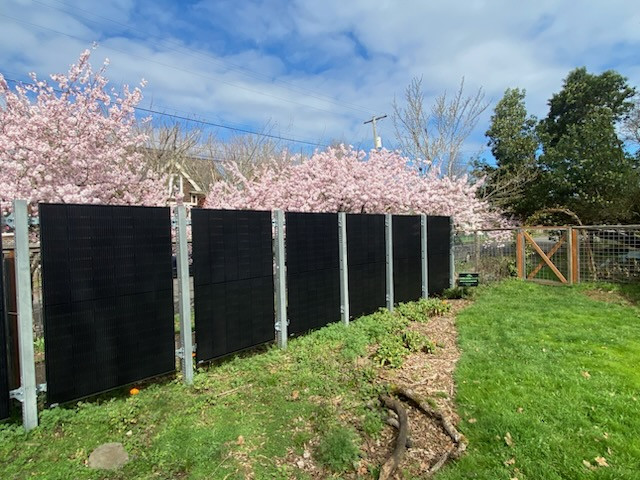
We are thrilled to announce that in July 2025, Sunzaun reached a major milestone! In partnership with Cascade Solar, we completed our very first residential solar fence in Portland, Oregon. This 5.74 kW project features 11 sleek modules, one of the first of its kind in the United States. Read more
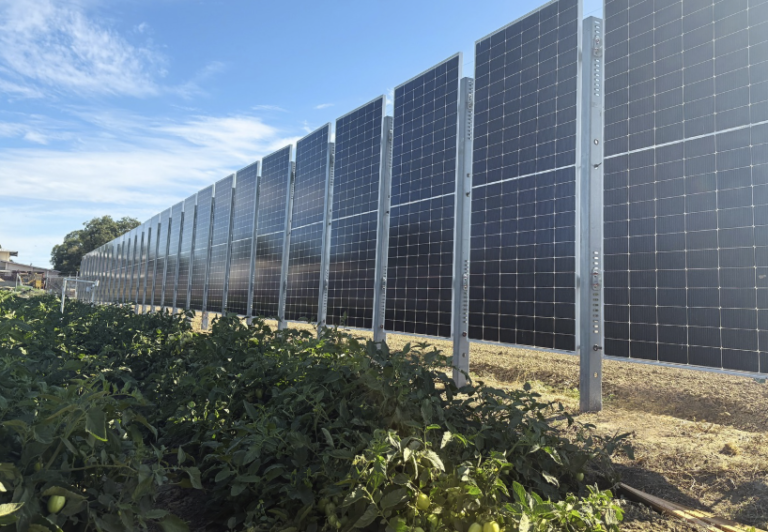
As the world increasingly turns to renewable energy sources, solar power remains at the forefront of this green revolution. However, traditional ground-mounted solar panels (GM-PV) come with a significant trade-off: they require large swathes of land that could otherwise be used for farming. With the availability of arable farmland shrinking—down by 49% per person globally—this competition between energy production and agricultural space is becoming more pronounced. Agri-PV (agricultural photovoltaics), is an innovative solution that promises to harmonize the needs of both farmers and the renewable energy sector.
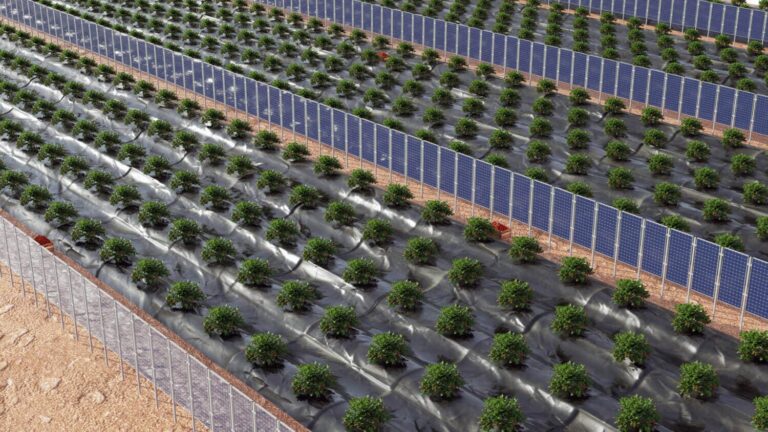

This blog post was originally written in Spanish. An English translated version can be found in the second portion below.
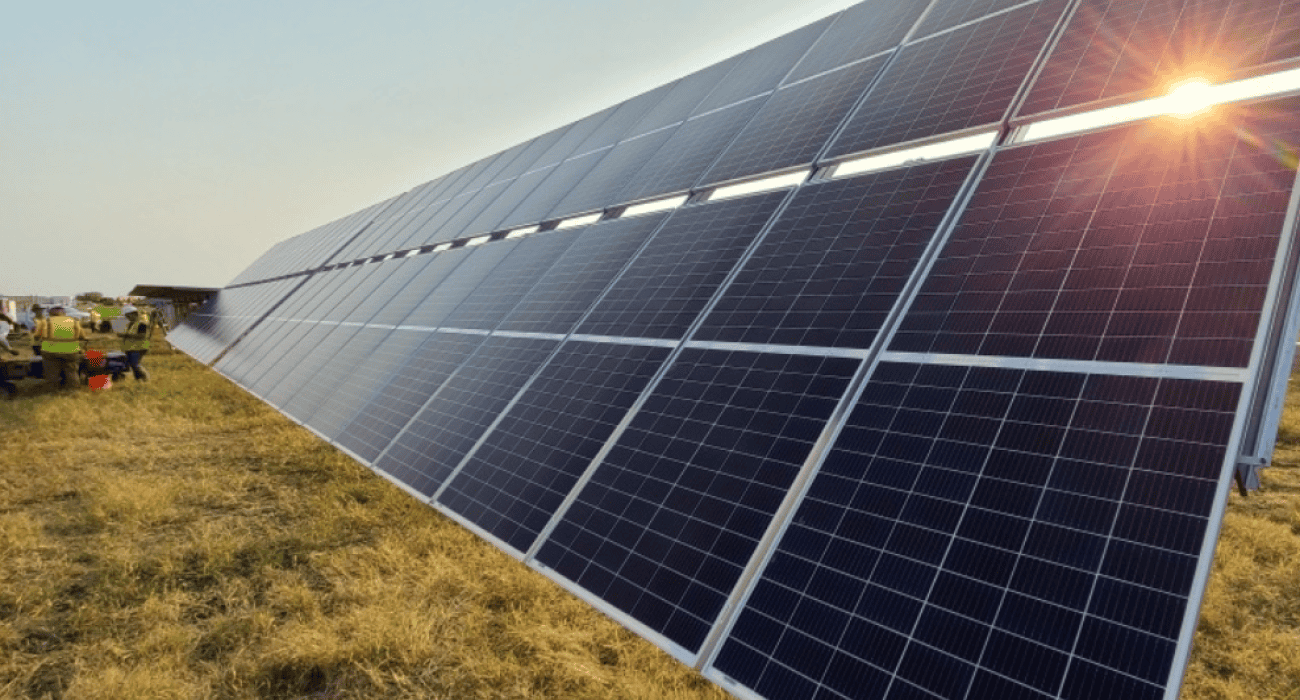
The solar industry is scaling at record speed — but solar construction hasn’t always scaled smartly.
Despite advances in module efficiency, racking systems, and project financing, construction teams still face the same on-site challenges: labor shortages, unpredictable schedules, safety risks, and costly inefficiencies that ripple through an entire project.These challenges don’t exist because teams lack experience or effort. They exist because traditional construction methods weren’t designed for today’s scale.
That’s where robotics — deployed as part of a coordinated system — fundamentally changes the game. Read more
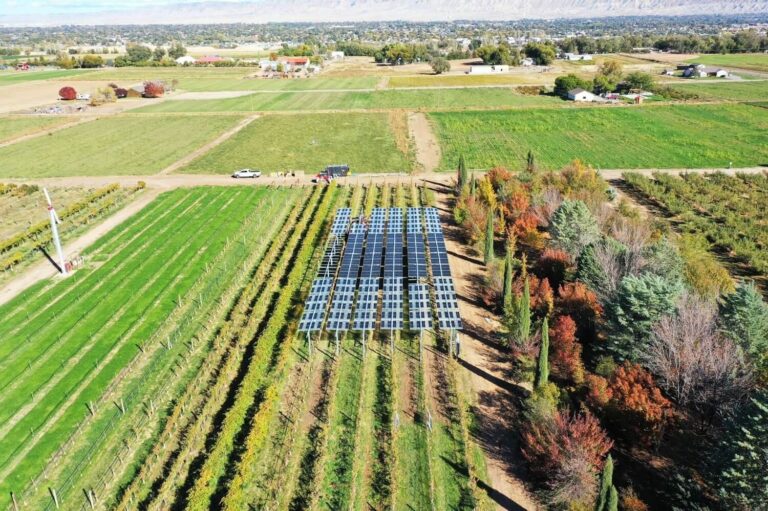
Aerial Photo by Michael Lobato, Colorado State University
In the crisp weather of mid-October, our team completed one of the most unique and inspiring projects in our portfolio to date. Set against the dramatic mountain backdrop of Grand Junction, Colorado, this photovoltaic (PV) system marks a major milestone for agrivoltaics in the US. At completion, the structure stands as the largest viticulture-focused agrivoltaic system (or “viti-voltaic”) in the country.