As photovoltaic (PV) projects have evolved over time, the industry has focused on reducing costs to increase the adoption of solar power. This reduction has been dramatic, and the corresponding increase in solar PV projects is exciting, with new records in project size and overall deployments announced nearly every year. As solar project costs drop so, too, have racking costs through the utilization of improved engineering analysis, appropriate and efficient material selection, and improved manufacturing approaches. Knowing that racking continues to play an integral role in solar installations, savvy project integrators are paying more attention than ever to products and solutions available to reduce costs and create job site efficiencies. To help end-users optimize PV installations, the following breaks down the project development and construction process, from start to finish.
Tag Archive for: solar supply chain
By Andrew Worden, CEO, GameChange Racking
Foundation selection is critical for a cost effective installation of PV solar panel support structures. Lack of proper investigation of subsurface conditions can lead to selection of the wrong foundation type and can result in costly change orders and delays to the job completion date.
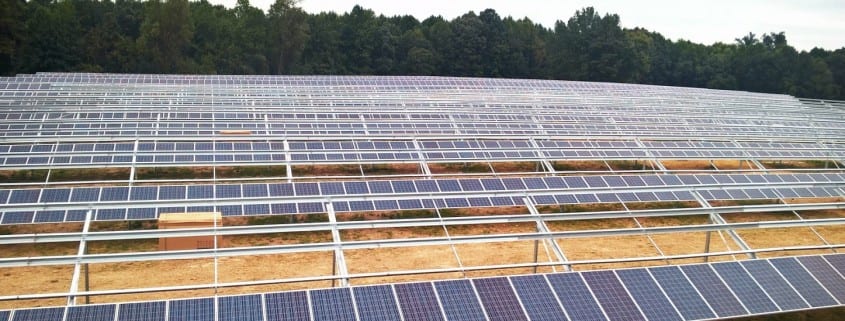
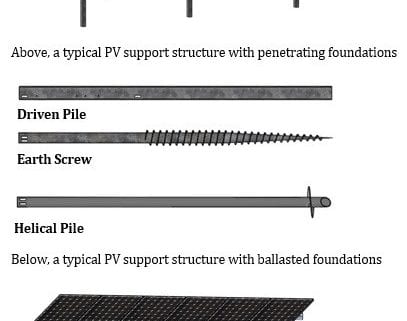
Ground-mounted systems are probably the simplest way to install solar on a larger scale compared to other types of installations such as roofs or parking structures. These systems can be held down by a variety of foundations, including concrete footings, pile driven posts, piers, metal earth screws or with ballasted holding trays.
One size fits all ?
Foundation systems need to correspond to the existing site considerations and soil static conditions according to engineering calculations and building codes. The one size fits all approach will not lead to the most cost and resource efficient results. Here are some key factors that will help to determine the foundation type:
- Tilt angle and tracking characteristics of the solar power system.
- Local design wind speeds and snow loads (If applicable) where the solar power system is to be installed.
- Support and racking configuration.
- Overall solar module system size and weight.
- Local design codes and project requirements.
- Soil characteristics relative to friction, sliding, consolidation, slope stability, salinity, etc.
- Brownfield or landfill
Sunstall Inc.
384 Bel Marin Keys Blvd, Suite 230,
Novato, CA 94949 USA.
Telephone: (415) 707-0305
Fax: (415) 707-0301
E-mail: info@sunstall.com
Recent Posts
- UC Davis Expands Agrivoltaics Research, Includes New Sunzaun Vertical Bifacial System
- Our Tallest Agrivoltaics Installation Yet!
- Vertical Solar Is Changing the Game: Smarter Design, Real Results for Commercial Projects
- From Runways to Renewables: Vertical Solar Power at US Airports
- The Sunstall Way in Action: My Two Weeks On-Site