
This blog post was originally written in Spanish. An English translated version can be found in the second portion below.

This blog post was originally written in Spanish. An English translated version can be found in the second portion below.
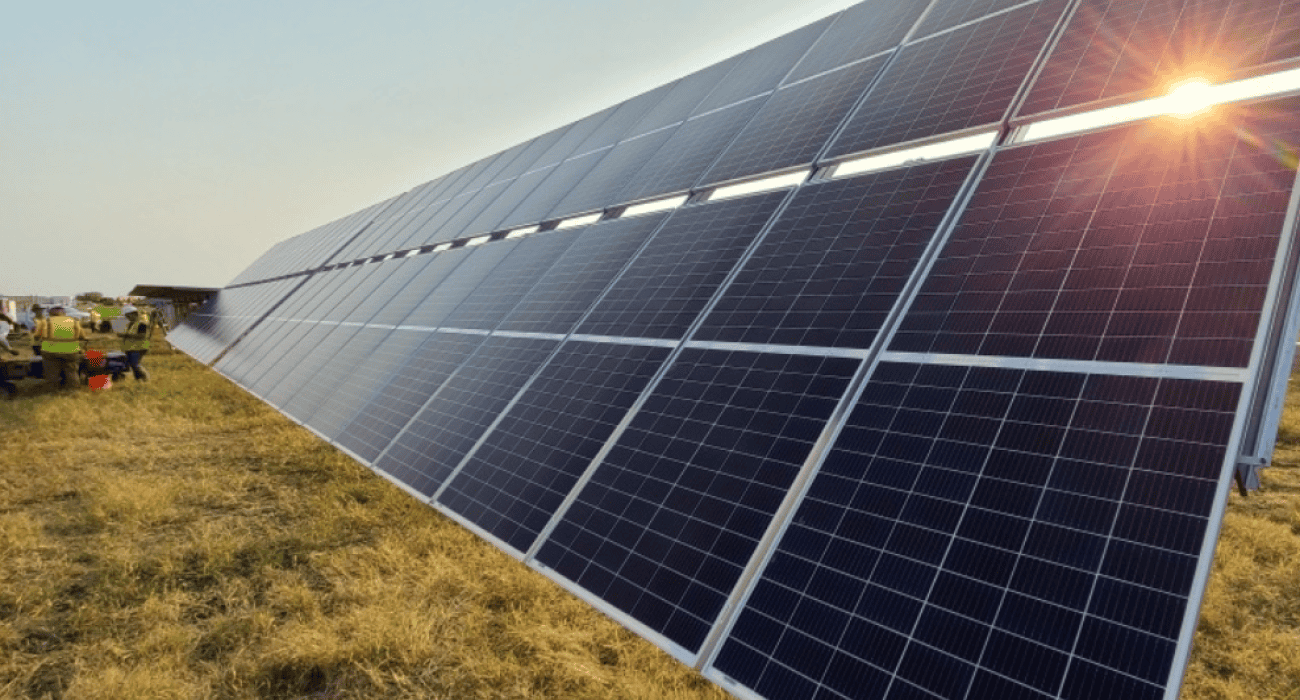
The solar industry is scaling at record speed — but solar construction hasn’t always scaled smartly.
Despite advances in module efficiency, racking systems, and project financing, construction teams still face the same on-site challenges: labor shortages, unpredictable schedules, safety risks, and costly inefficiencies that ripple through an entire project.These challenges don’t exist because teams lack experience or effort. They exist because traditional construction methods weren’t designed for today’s scale.
That’s where robotics — deployed as part of a coordinated system — fundamentally changes the game. Read more
In mid-October, our team completed one of the most unique and inspiring projects in our portfolio to date. Set against the dramatic mountain backdrop of Grand Junction, Colorado, this system marks a major milestone for agrivoltaics in the U.S. by standing as the largest viticulture-focused agrivoltaic system (or “viti-voltaic”) in the country.
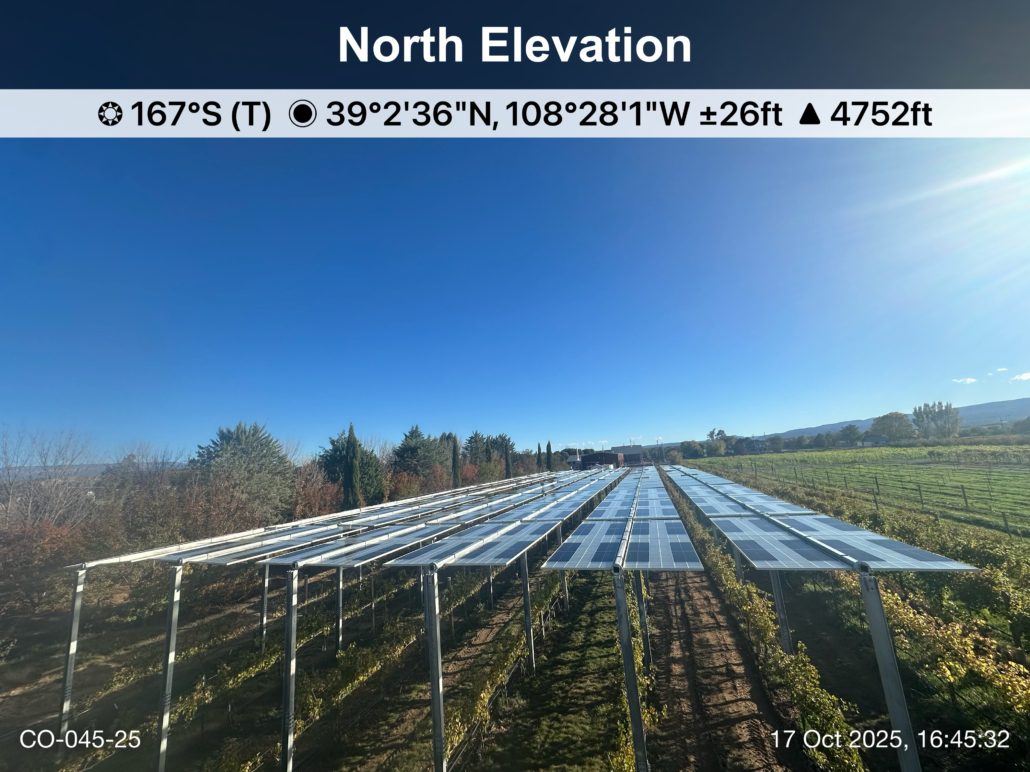
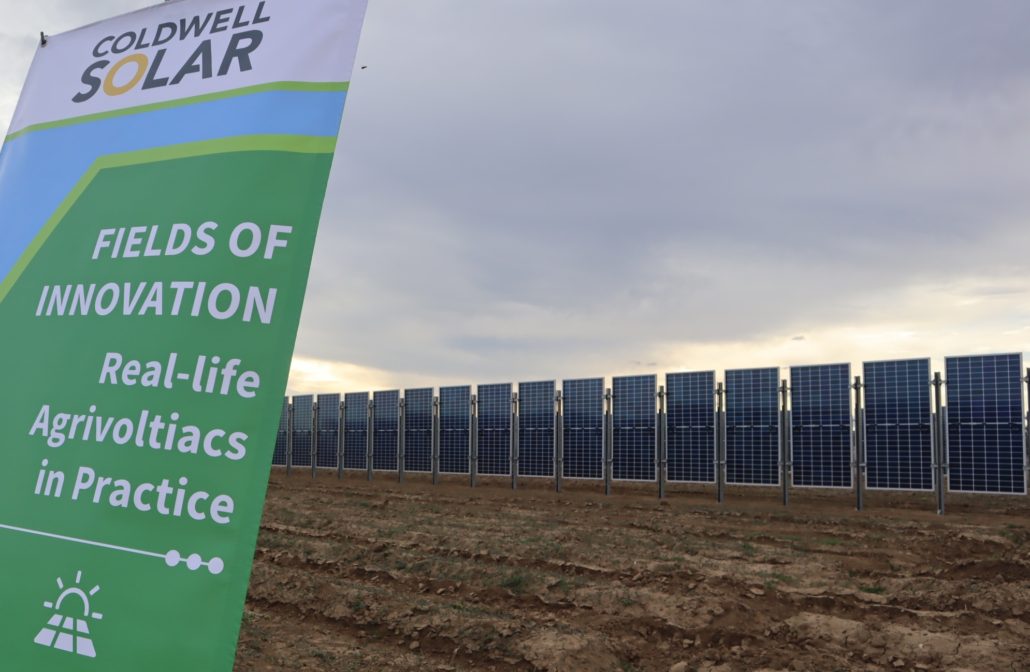
Photo Credit, Maximilian Dedden
Back in 2023, University of California (UC) Davis had a small set of Sunzaun vertical bifacial racking installed – three rows of three modules – to support early agrivoltaics research. Sunstall donated so the university could begin exploring how vertical solar might work alongside crops in California farmland.
Two years later, and after immense collaboration, the research site looks quite different.
Aerial Photo by Michael Lobato, Colorado State University
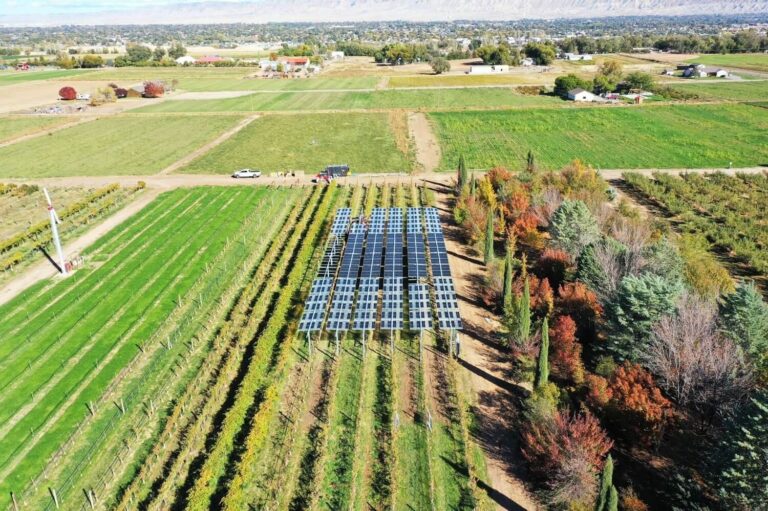
In the crisp weather of mid-October, our team completed one of the most unique and inspiring projects in our portfolio to date. Set against the dramatic mountain backdrop of Grand Junction, Colorado, this photovoltaic (PV) system marks a major milestone for agrivoltaics in the US. At completion, the structure stands as the largest viticulture-focused agrivoltaic system (or “viti-voltaic”) in the country.
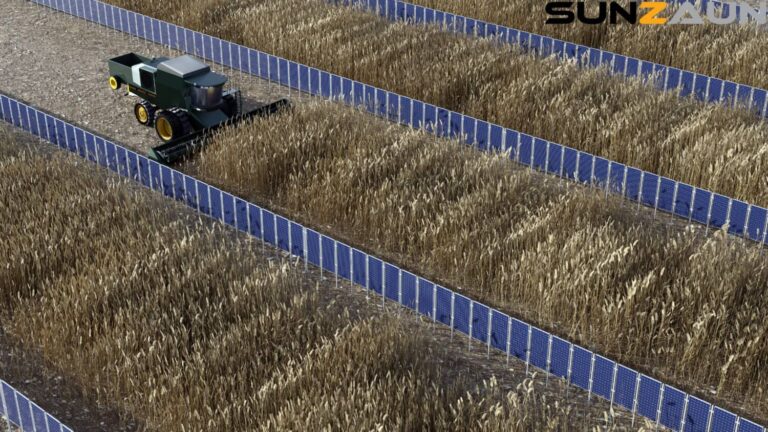
Adapted from the German article “Vertikal mehr Ertrag” in Technik & Wirtschaft VN+
As solar technology continues to evolve, one of the most promising developments is vertical photovoltaic (PV) systems. Unlike traditional panels installed at an angle on rooftops or open fields, vertical PV panels stand upright, like a fence, and can be bifacial, capturing sunlight from both sides.
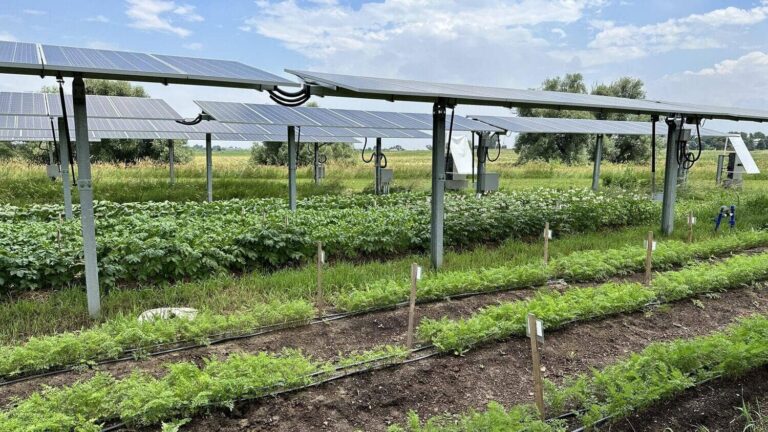
Farmers today are under increasing pressure from rising operational costs and a changing climate, both of which threaten the viability of owner-operated farms. At the same time, the growing demand for food and the renewable energy transition compete for space. But what if farmers could harvest both food and solar power from the same land, while becoming more financially secure? Agrivoltaics, also known as agri-photovoltaics (agri-PV), enables farmers to keep farming, while balancing other demands.
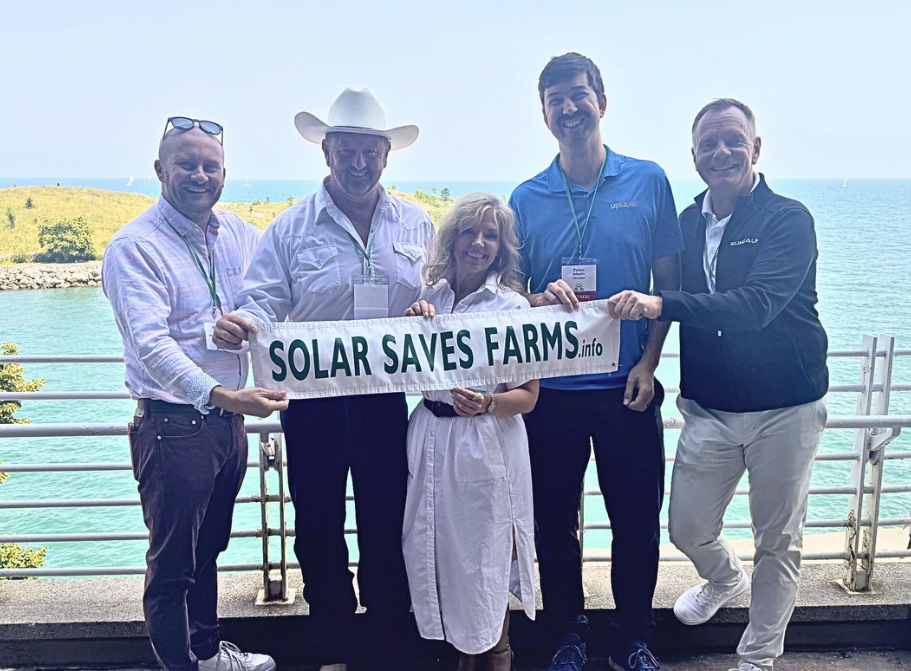
The 2025 Solar Farm Summit in Chicago brought together farmers, developers, researchers, state officials and industry leaders. Some came as curious explorers, others as passionate advocates, but all shared an interest in how solar and farming can work together. Sunzaun’s team was there to showcase its vertical bifacial solar racking system and join in on conversations shaping the next chapters of solar in agriculture. Helge Biernath, CEO of Sunstall, joined a panel with experts from Sandbox Solar and SolarEdge to share insights on vertical solar technology.
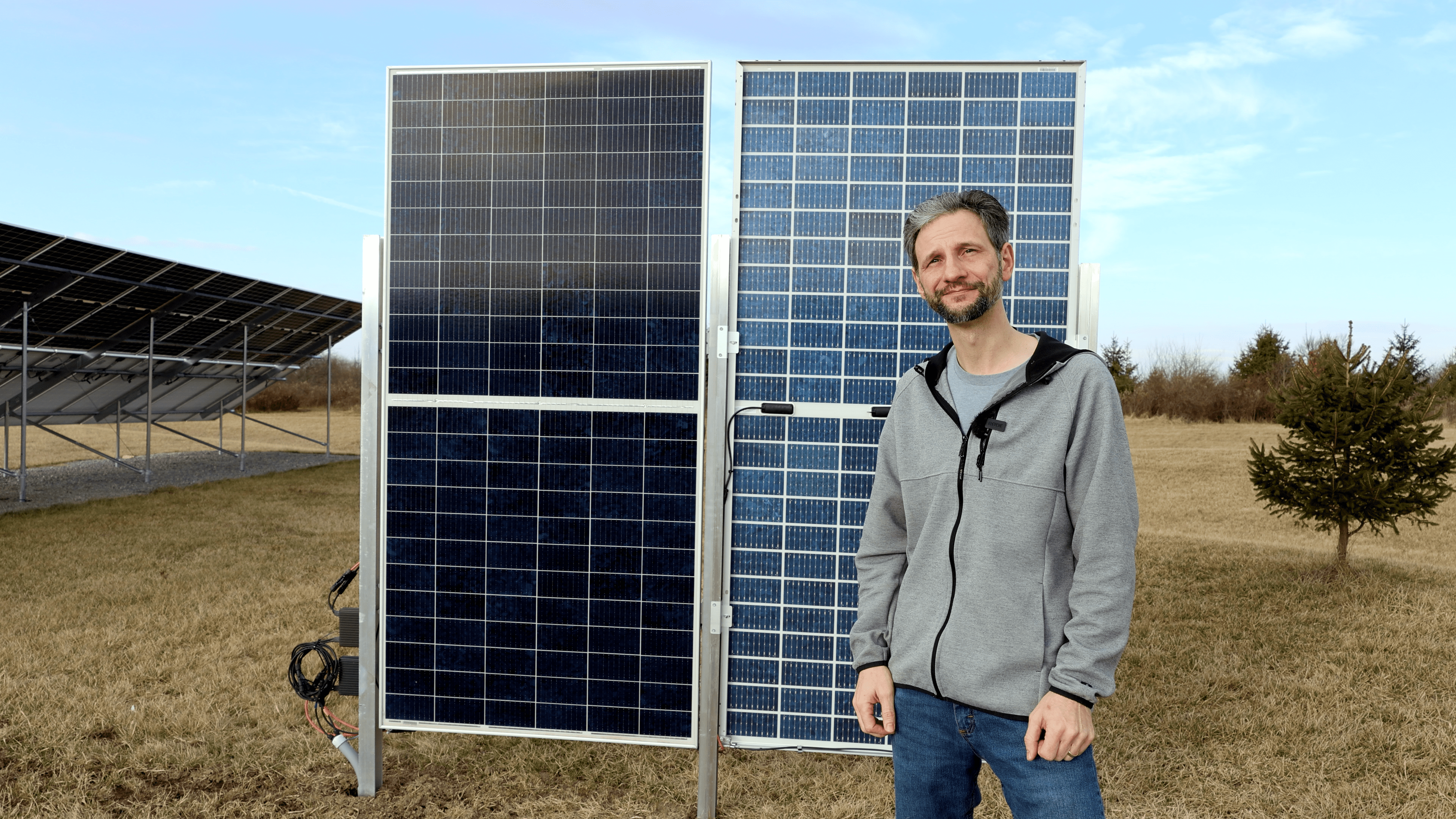
What if your business or facility could generate solar power all day long—even in snow-heavy regions, tight urban sites, or areas with limited rooftop availability?
That’s exactly what vertical solar installations are making possible.
In a new YouTube breakdown, DIY solar enthusiast Projects With Everyday Dave explores how vertical solar setups—especially when paired with bifacial panels—are transforming solar efficiency in real-world environments. While his findings are residential in scale, the underlying data offers compelling insights for commercial developers, infrastructure planners, and large-scale property owners exploring smarter, space-efficient solar solutions.
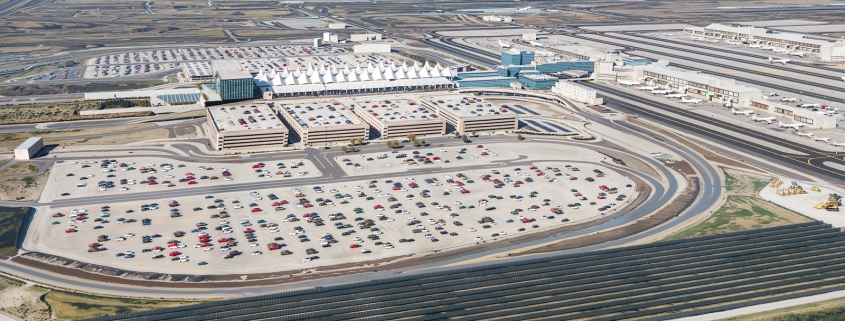
As the world intensifies efforts to reduce carbon emissions and embrace renewable energy, the role of airports in this transition is often overlooked. Traditionally seen as major energy consumers due to the constant demands of air traffic and facilities, airports are now becoming key players in sustainable energy generation. A particularly innovative approach gaining traction is the use of vertical solar farms. This article explores how vertical photovoltaic (PV) systems can revolutionize energy production at airports and contribute to a greener aviation industry.