
Why Pile Tests Matter More Than Ever in Commercial Solar
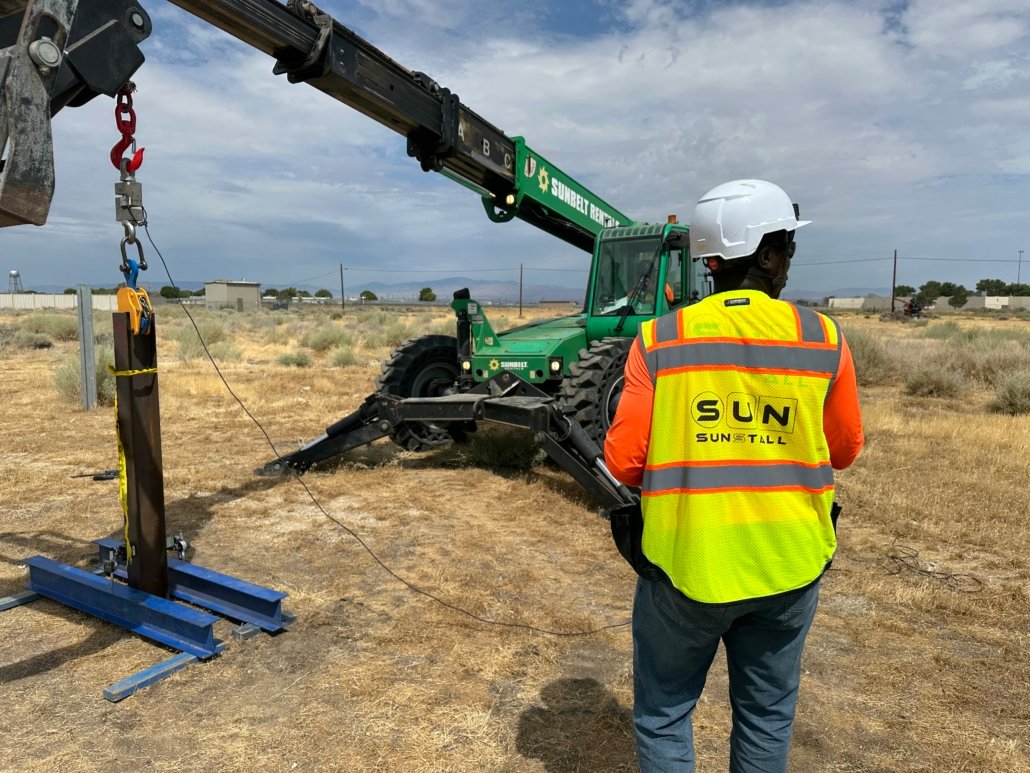
When you’re developing a solar project, especially at the commercial or utility scale, you’re betting big on your foundations. If those foundations fail, the consequences ripple through your entire project, from redesigns and delays to lost incentives and structural risk. And no matter how well-designed your system is, if the piles don’t hold, the whole thing falls apart. That’s where pile testing with Sunstall comes in.
We specialize in pile tests because we’ve seen what happens when you skip them.
So What Is a Pile Test?
At its core, pile testing evaluates how the soil responds to force applied to a pile. It’s a feasibility study. It helps determine the soil’s load-bearing capacity, a key factor in making sure the foundation will be stable and properly supported.
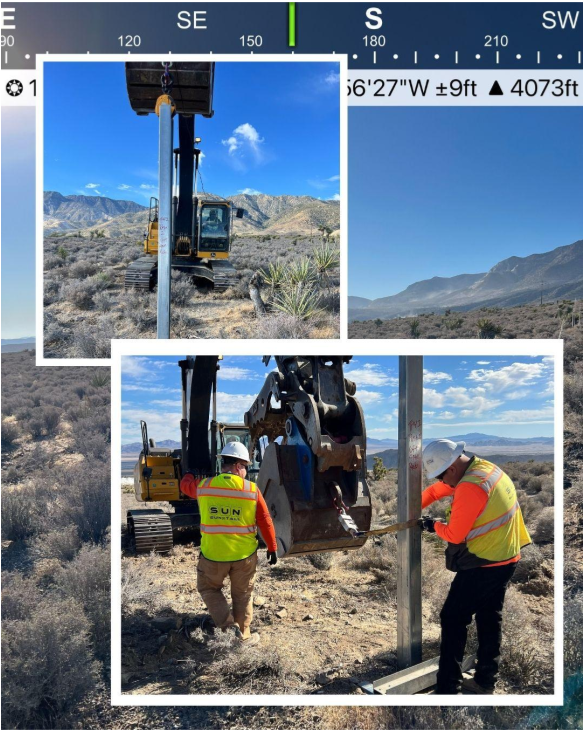
Why Pile Testing Matters
A pile test doesn’t just produce numbers; it gives engineers the confidence to move forward. By applying force to test piles, we gain insights into how the soil behaves under load. That information lets us fine-tune foundation design, reduce overbuilding, prevent costly changes mid-project, and avoid surprises in the field. Without this step, developers are flying blind, relying only on geotech reports that don’t always reflect site variability. pile testing fills in the gaps and helps teams make smart, site-specific choices.
This data tells engineers:
- Whether your piles can actually hold under stress
So they can confirm that the design meets safety and structural requirements before full construction begins. - When a pile will begin to move or twist
So they can identify potential failure points and adjust loading assumptions in the structural model. - Whether you are using the right pile type for structural stability (I-beam vs. C-Pile, for example)
So they can switch pile types early if necessary, avoiding costly changes mid-construction. - Whether the pile reached its target embedment depth
So they can verify field installability and adjust installation plans or pile lengths if needed. - Whether refusal mitigation has to be prescribed
So they can plan site-specific workarounds in advance, such as switching pile types, adjusting depth, or grading out problem areas.
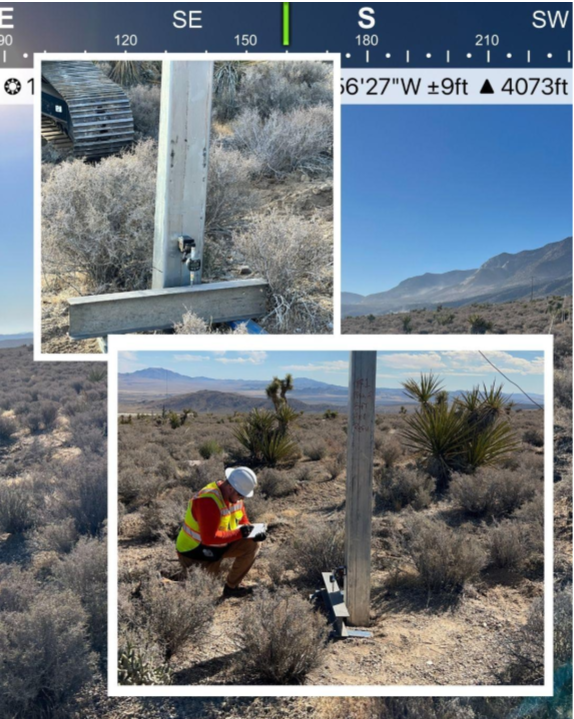
A Real-World Example: When 13 Out of 16 Piles Failed Load Tests
On a recent test, we drove 16 piles, a mix of C-channels and I-beams, across multiple GPS points at various embedment depths. Of those:
- 6 piles hit refusals, meaning they couldn’t reach full embedment because the soil was simply too dense for those specific pile types
- 13 out of 16 failed the horizontal test, which is over 80 percent
Had this been a live construction site, the cost of fixing those failures mid-project would have been massive. You would be scrambling to redesign foundations, order new pile types, or add costly reinforcements, losing time, money, and potentially even tax credit eligibility due to delays.
In this case, I-beams passed both horizontal and vertical tests. If we had relied only on a geotech report without testing, we might have chosen the wrong pile entirely.
Refusal Doesn’t Mean Game Over, But It Needs a Plan
Refusals happen when a pile hits dense material and cannot reach its planned depth. But that does not mean the project is doomed. With proper refusal remediation, which must be engineered based on site-specific data, you can work around it. That might mean switching to a different pile type (like I-beams instead of C-channels), adjusting embedment depths, pre-drilling, or even grading out problem areas by removing or leveling compacted or rocky soil zones. The key is knowing refusals are likely before construction starts. That way, you can model the cost and build a backup plan, and bid the project more accurately, with fewer surprises down the line, rather than scrambling mid-project when every hour lost costs money.
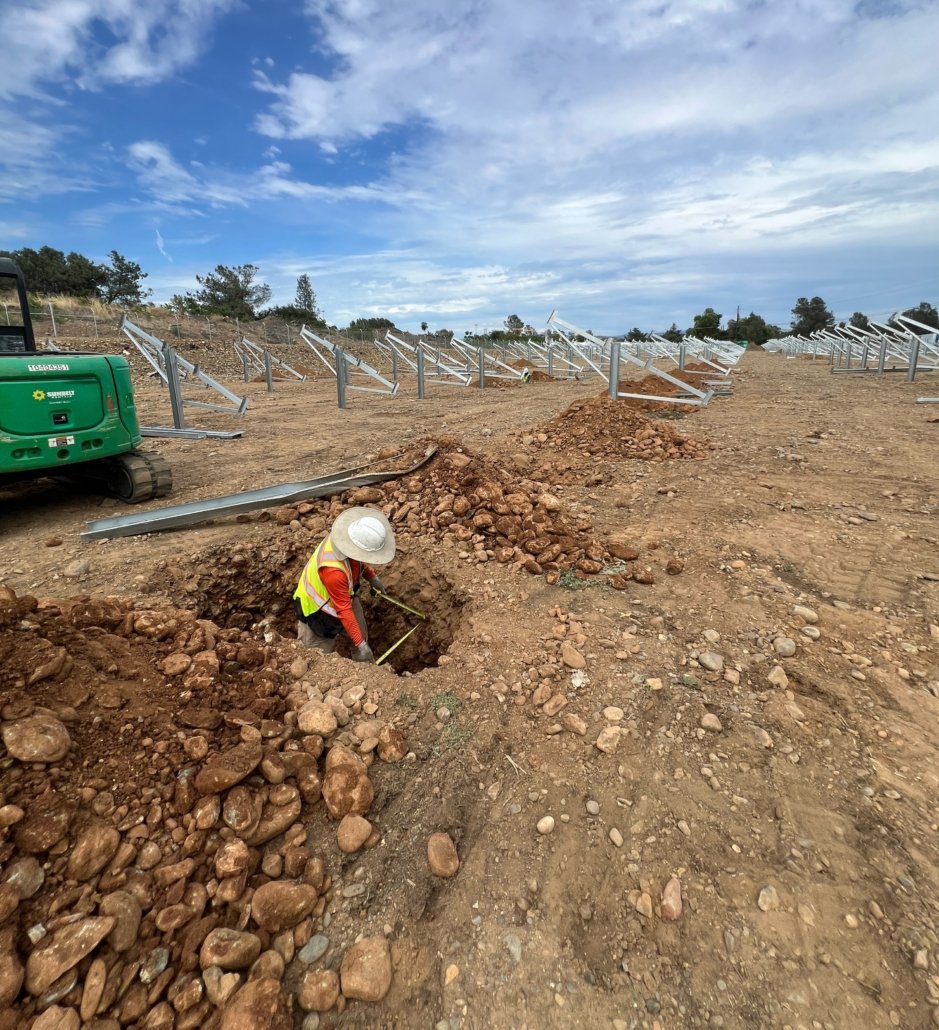
De-Risking Is Not Optional. It Is Essential!
Pile tests are not just a box to check. They are a proven way to:
- Ensure long-term system stability
- Prevent costly mid-project changes
- Avoid overbuilding or underbuilding your foundation
- Stay on schedule and stay eligible for incentives
- Protect your warranty and long-term performance
At Sunstall, we have extensive experience across dozens of sites, from all leading racking systems and from rocky ground to soft clay and everything in between. We know what it takes to do a pile test right, and we help engineering teams make smart, informed decisions by providing them with a feasibility study.
This Is What We Do. We Are Pile Test Experts!
We are not just out here collecting data.
We are de-risking your project, giving you peace of mind and helping you build solar projects that last long into whatever future may come!
This Is What We Do. We Are Pile Test Experts!
We are not just out here collecting data.
We are de-risking your project, giving you peace of mind and helping you build solar projects that last long into whatever future may come!


Leave a Reply
Want to join the discussion?Feel free to contribute!